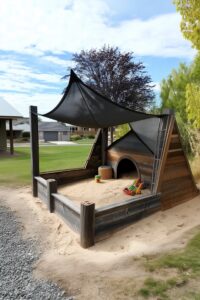

Many parents rush to buy expensive plastic playsets, overlooking the simple magic of a mud kitchen. Kids don’t need battery-powered gadgets – they crave the messy, unscripted joy of mixing dirt, water, and imagination.
A well-designed mud kitchen transforms your backyard into a creative laboratory. With a few thoughtful touches, you’ll spark hours of sensory-rich play that screens simply can’t match.
1. Incorporate a Handy Sink for Realistic Kids Outdoor Play
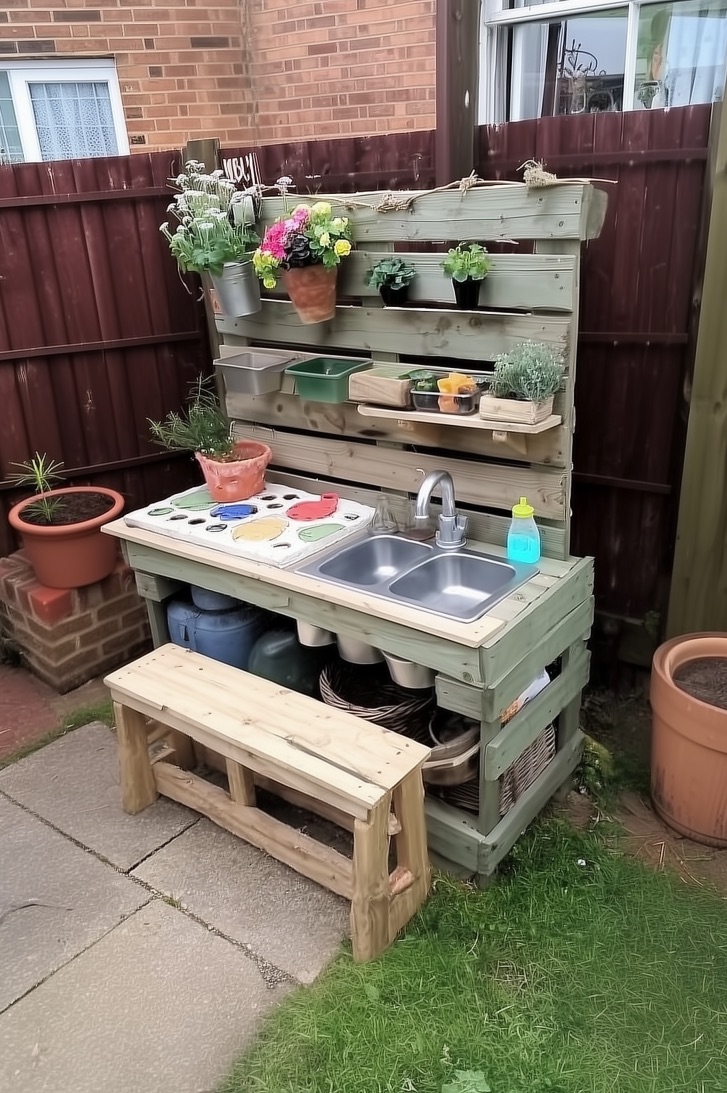
Mud kitchens are having a moment right now, and it’s easy to see why parents everywhere are embracing this tactile trend. The feature that seems to captivate children most? A real working sink where water actually flows.
This element bridges pretend play and reality in ways that fascinate young minds. When kids can turn a tap and watch water pour into their mud concoctions, they’re not just playing – they’re experimenting with cause and effect, volume, and basic physics.
You could install a simple bucket-and-spigot system or connect a garden hose to a salvaged basin. Either way, that flowing water elevates the entire experience from static to dynamic, transforming casual dirt-mixing into genuine culinary theater where “soups” can be thinned, “dishes” rinsed, and hands cleaned between messy courses.
2. Display Colorful Play Food to Inspire Creative Activities for Preschool
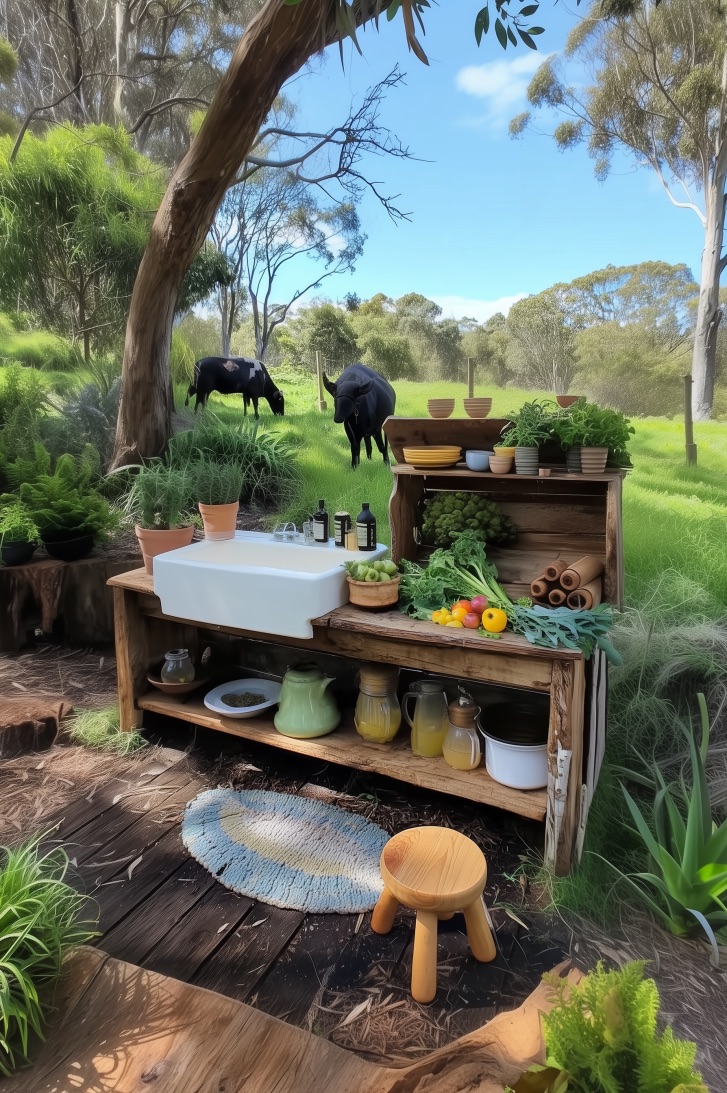
You might wonder if fake vegetables belong in a space dedicated to natural play, but here’s the thing: those bright plastic tomatoes and felted carrots actually jumpstart storytelling.
When children spot familiar shapes among the sticks and stones, their imaginative recipes become more elaborate. Suddenly they’re running a restaurant, preparing specific dishes, taking orders from invisible customers – the play deepens and extends far beyond simple digging.
3. Arrange Potted Herbs Nearby for Sensory Exploration in Early Years
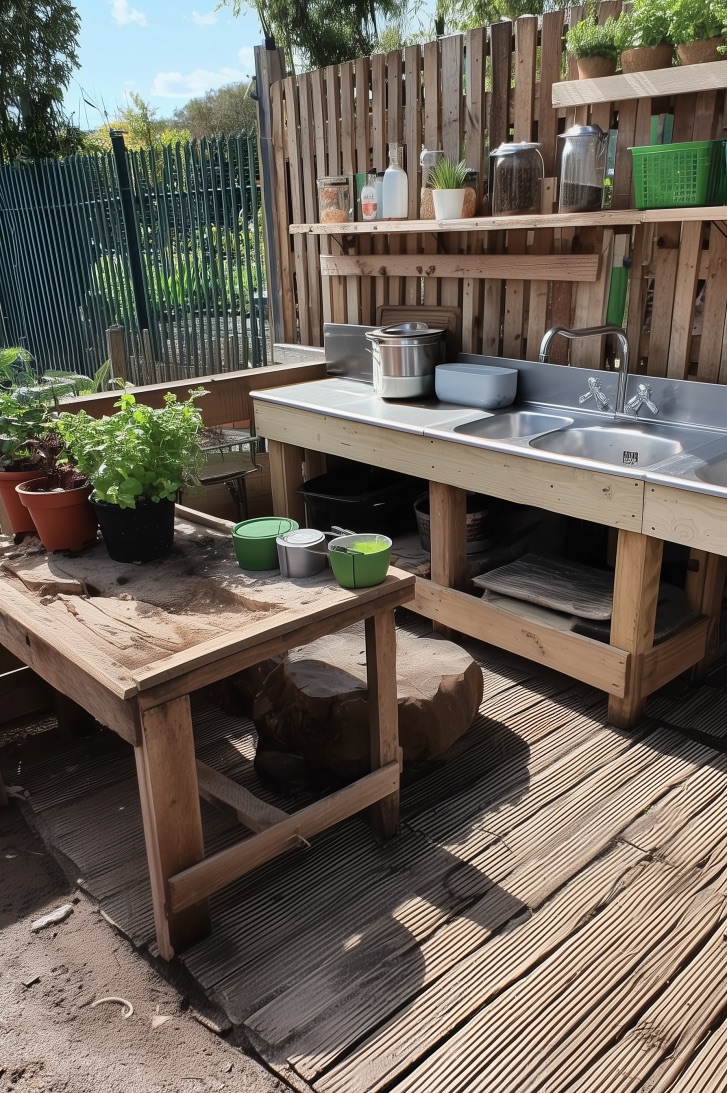
Sometimes mud kitchens feel disconnected from the garden around them, creating a missed opportunity for sensory learning.
Positioning basil, mint, or rosemary within arm’s reach solves this beautifully. Kids can pinch leaves, releasing aromatic oils that add another dimension to their outdoor cooking adventures. These living ingredients teach plant identification while making their mud meals smell genuinely appealing – at least in their enthusiastic descriptions.
4. Hang Wooden Utensils for Easy Access in Outdoor Mud Kitchens
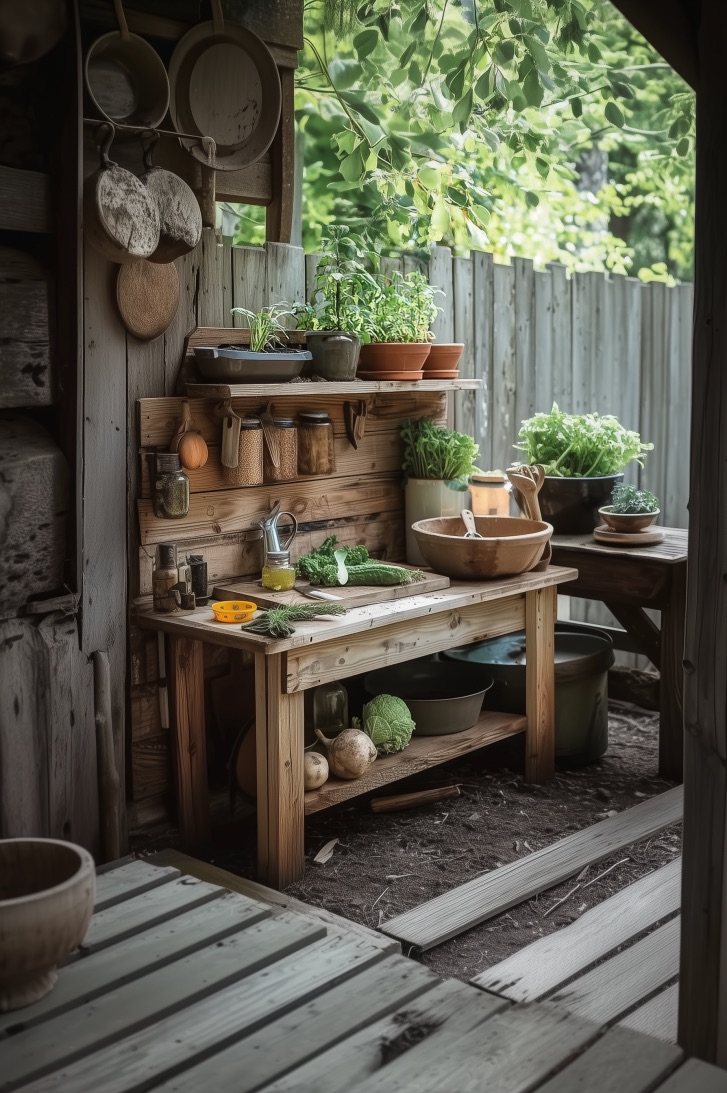
Watch children at play and you’ll notice they lose interest when they can’t find what they need quickly.
Suspended spoons, whisks, and ladles create an appealing visual display while keeping tools within constant view. Hooks screwed into a simple board transform utensils into both decoration and function – everything’s visible, nothing gets buried under leaves or forgotten in buckets.
The act of selecting the right tool becomes part of the ritual, much like grown-up cooking.
5. Showcase Natural Wood Textures for Rustic Mud Kitchen Diy
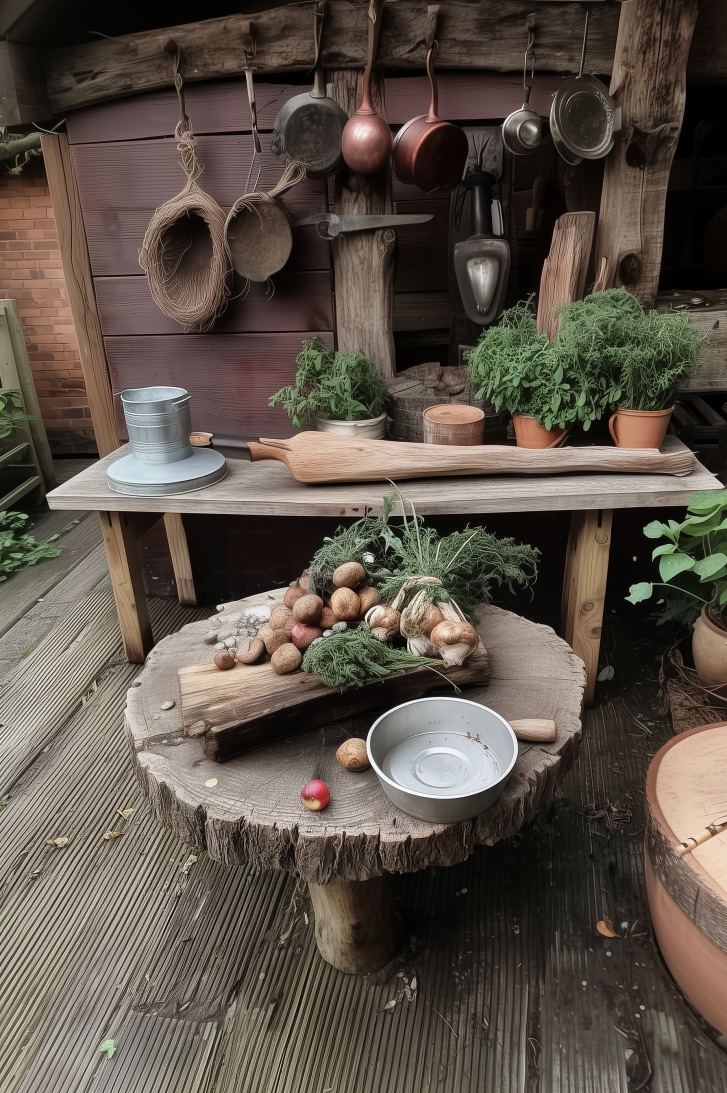
Slick plastic structures feel oddly out of place in garden settings, while weathered timber blends seamlessly with surrounding greenery.
Consider an old pallet repurposed as a counter, or rough-cut planks forming shelves that look like they’ve always belonged there. One family I know built their entire mud kitchen from fallen branches and reclaimed fence boards – the irregular surfaces and visible grain created something that felt discovered rather than constructed.
Does your outdoor space deserve something that looks grown rather than bought?
6. Incorporate a Vertical Pallet Backdrop to Maximize Small Outdoor Spaces
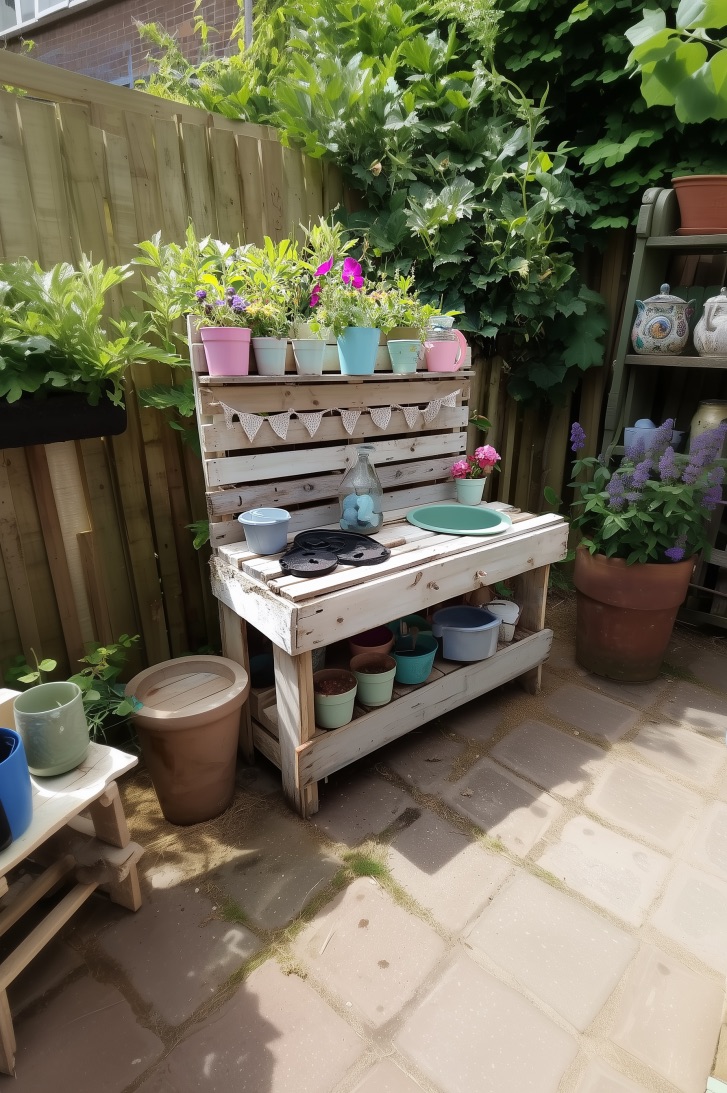
Three challenges often plague compact yards: limited floor space, lack of storage, and nowhere to hang accessories.
A standing pallet addresses all of these at once. Positioned vertically behind your mud kitchen, it provides hanging points for utensils, small shelves for containers, and even pockets for dried flowers or collected treasures. The structure draws the eye upward, making the play area feel more defined without consuming precious ground space.
This vertical element also creates a sense of enclosure that children find appealing – it’s almost like a shopfront or café wall.
Moving from structure to surface, let’s explore how the cooking area itself can double as creative canvas…
7. Create a Chalkboard Tabletop for Engaging Preschool Activities
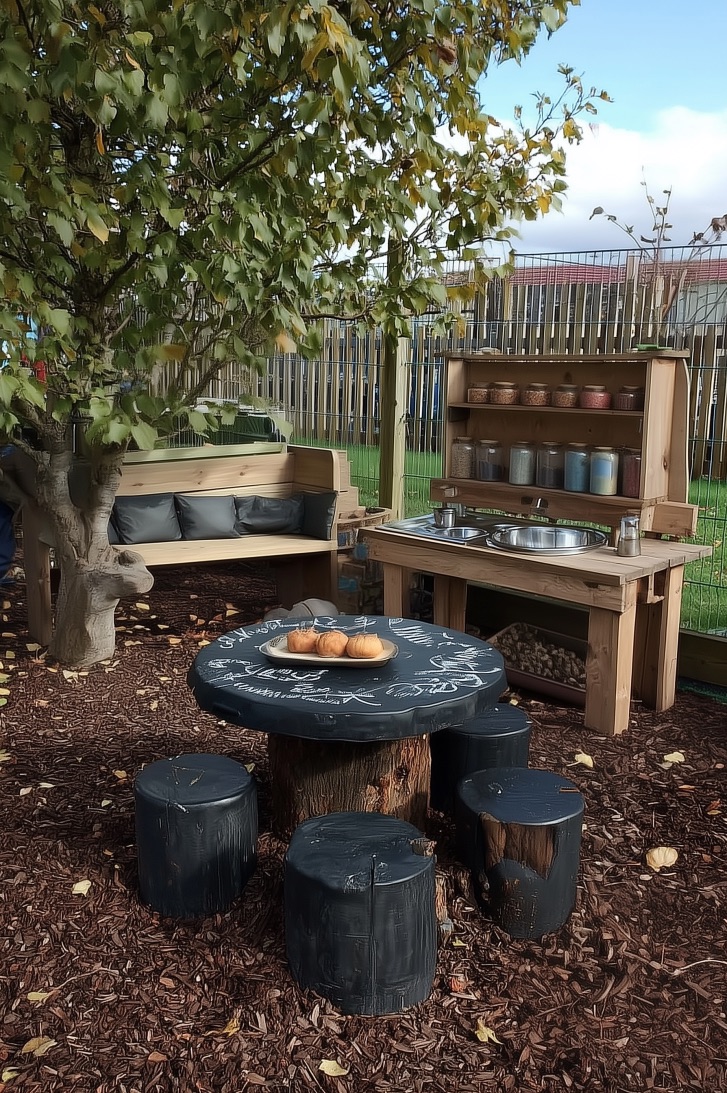
A chalkboard surface transforms your mud kitchen workspace into something genuinely multifunctional.
On rainy days when mud-making feels less appealing, that same surface becomes a drawing board for restaurant menus, recipe lists, or abstract art. On sunny afternoons, kids label their creations, write pretend prices, or trace around leaves and stones.
The versatility means the space never sits idle – it adapts to whatever mood or weather the day brings.
Grab some chalkboard paint this weekend and give your existing tabletop this simple upgrade. You’ll be amazed how often those little hands reach for chalk.
8. Use Mixed Gravel and Brick Paths for Inviting Outdoor Play
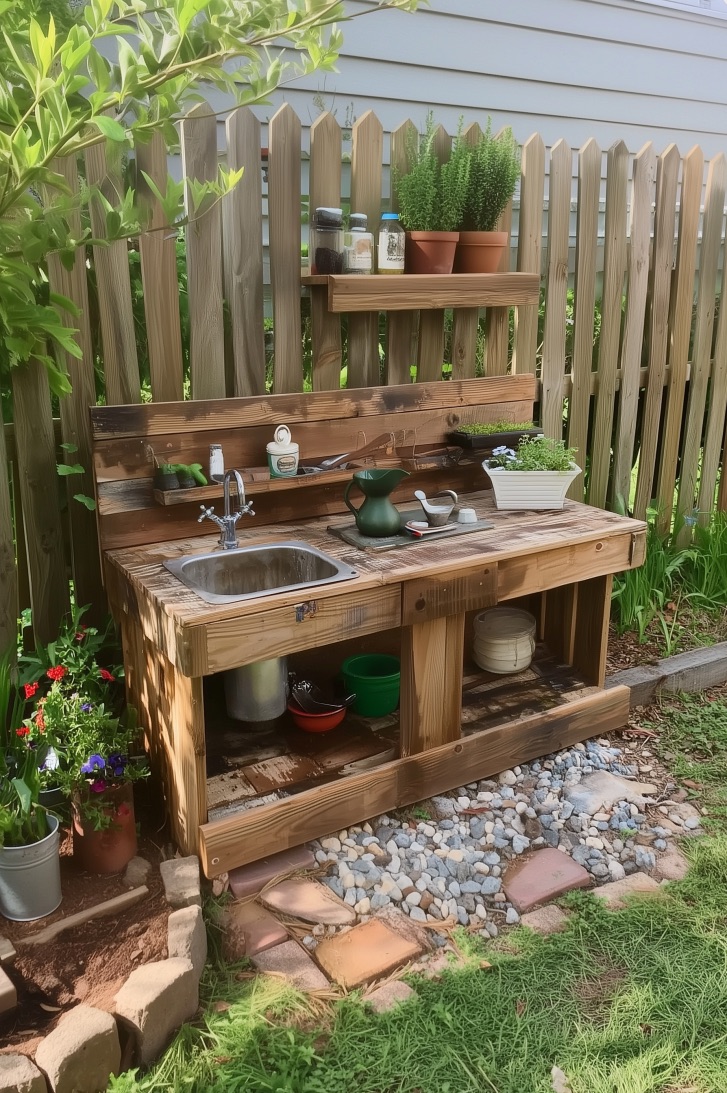
Let’s be honest – mud kitchens can turn the surrounding area into a genuine swamp after a few enthusiastic cooking sessions.
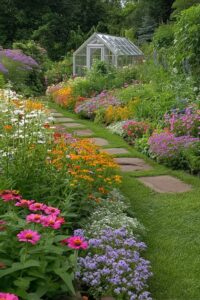
A thoughtfully designed path does more than protect your lawn from constant trampling. Combining crunchy gravel with stepping-stone bricks creates textural interest underfoot while naturally defining the kitchen zone.
Kids seem to instinctively follow these pathways, treating them as part of the play narrative – they become the walk to the market or the route to the dining area.
Here’s a helpful tip: extend the path slightly beyond what seems necessary. Play areas always expand once children start using them, and that extra foot of edging will save your grass later.
9. Incorporate Open Shelving for Organized Storage in Outdoor Mud Kitchens
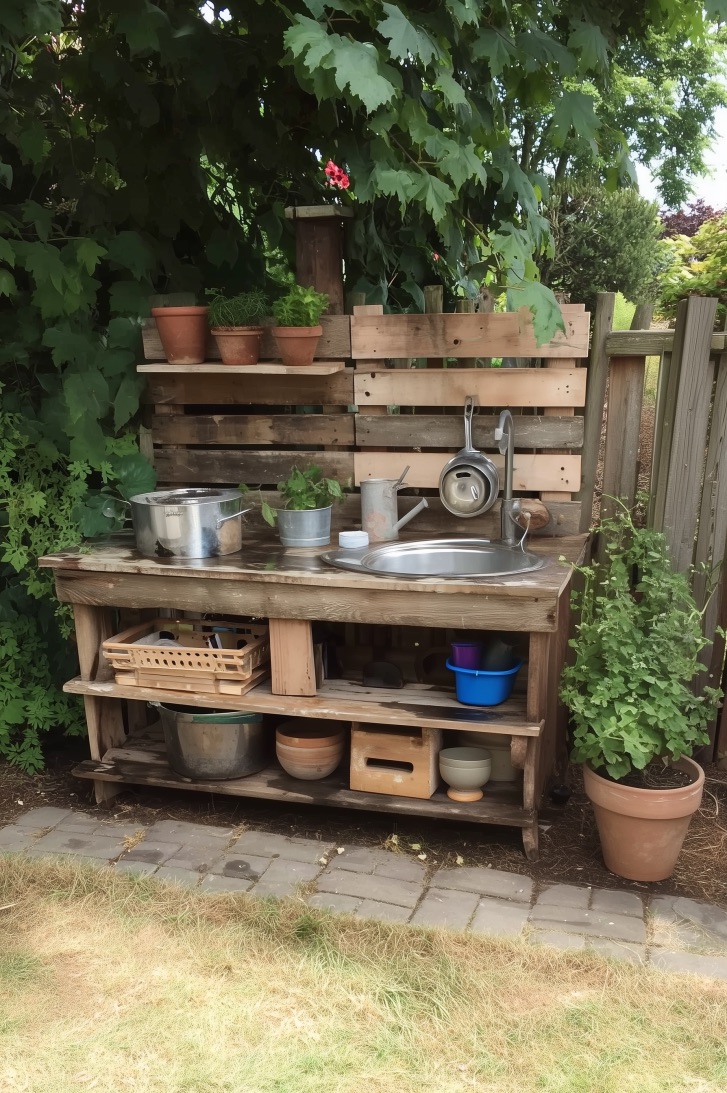
If you want your mud kitchen to actually get used rather than admired once then forgotten, organization matters more than you’d think.
Open shelves keep supplies visible and accessible without requiring children to dig through bins or ask for help. When everything has a clear home – bowls here, containers there, scoops on that shelf – kids develop independence and the play becomes self-directed.
Clean-up improves too, since returning items to obvious spots feels manageable even for younger children.
10. Emphasize Multiple Pots and Bowls for Collaborative Play for Kids
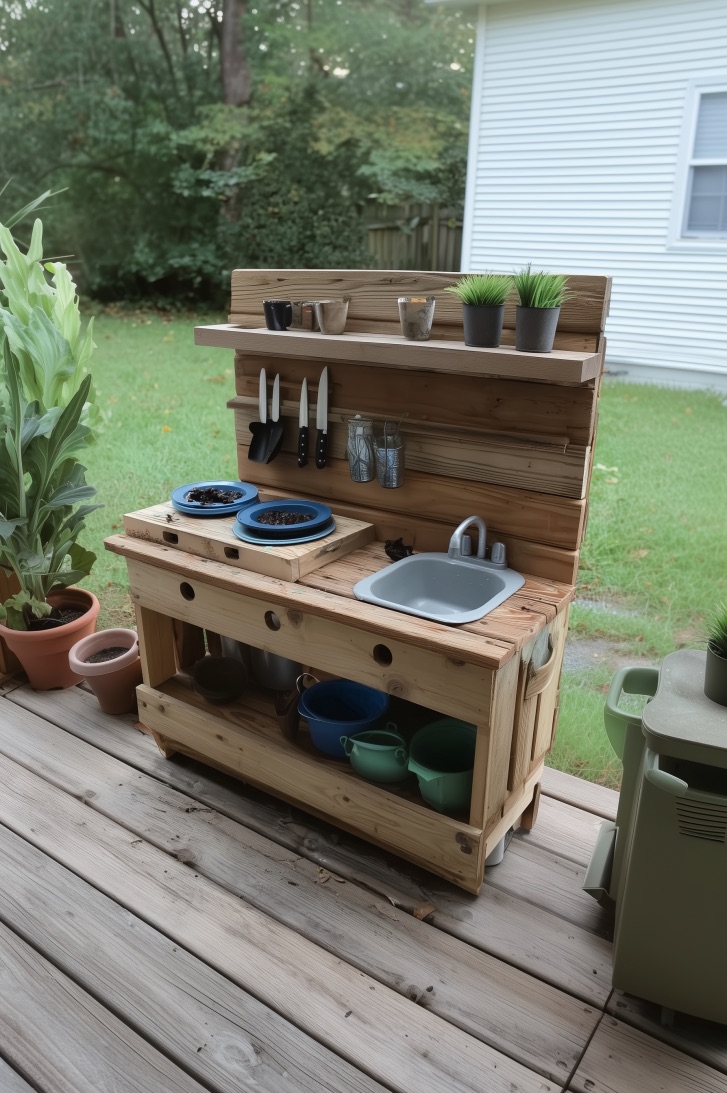
Stock your mud kitchen with just one or two containers and watch siblings squabble within minutes.
Abundance changes everything. When you provide a generous collection of different-sized vessels – metal bowls, plastic tubs, old saucepans, wooden boxes – children naturally begin collaborating instead of competing. One child makes soup while another prepares dessert; someone starts a potion while their friend creates a separate experiment.
The variety sparks parallel play that often evolves into genuine cooperation as recipes get combined or shared.
Multiple containers turn solitary digging into a bustling kitchen where everyone finds their role.
11. Arrange Terracotta Pots for Natural Decor in Mud Kitchen Activities
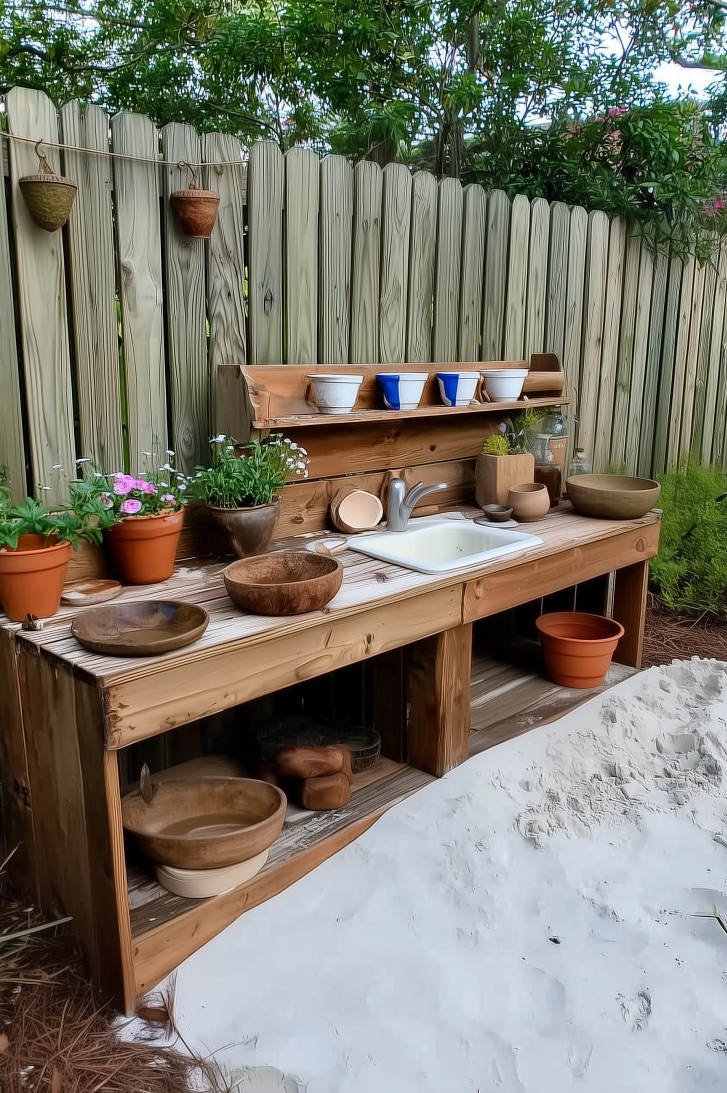
You might not expect decorative elements to matter in a space designed for getting dirty, yet terracotta pots add surprising charm.
Picture this: a row of clay pots in varying sizes lined along a shelf, perhaps filled with wooden spoons, dried grasses, or simply left empty for mixing. Their warm orange-brown tones complement natural wood and greenery beautifully, creating an aesthetic that feels intentional rather than haphazard.
Kids use them as bowls, planters, drums, or whatever their imagination suggests.
These earthy containers also weather beautifully outdoors, developing character rather than looking shabby as seasons pass.
Speaking of elements that grow better with age, seating deserves consideration too…
12. Add a Wooden Bench for Comfortable Toddlers Kitchen Play
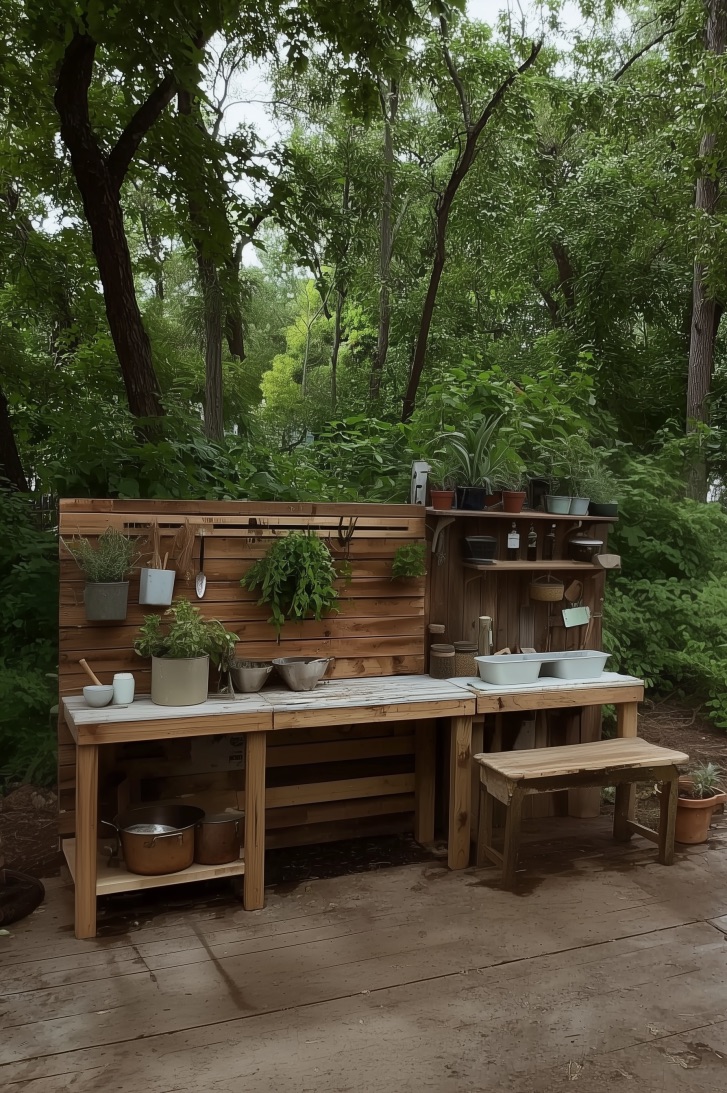
Most mud kitchen designs focus entirely on the work surface, forgetting that children often want to sit during their culinary adventures.
A simple bench positioned alongside or perpendicular to the main counter creates a spot for younger siblings who can’t quite reach standing surfaces, a perch for “customers” waiting for their mud pies, or a resting place between energetic cooking bursts. It signals that this space welcomes lingering, not just quick visits.
As outdoor play evolves, that same bench becomes a reading nook, a robot control panel, or whatever the day’s game requires.
Looking ahead, expect to see more mud kitchens incorporating flexible seating as designers recognize that the best play spaces adapt to children’s changing needs throughout the afternoon.
Conclusion
Your backyard holds untapped potential for the kind of play that builds creativity, cooperation, and confidence. These mud kitchen ideas offer starting points, not rigid blueprints – adapt them to your space, your budget, and your children’s interests.
Grab some reclaimed wood this weekend, install that sink you’ve been considering, or simply add more bowls to what you already have. The perfect mud kitchen is the one your kids actually use, mess and all.