
Introduction
Many homeowners struggle to capture that effortlessly romantic, lived-in charm that defines a true cottage garden. The abundance of colors, textures, and natural overflow can feel impossible to recreate.
Yet transforming your outdoor space into a cottage-style haven doesn’t require a countryside estate or decades of gardening experience. With the right elements and a relaxed approach to planting, you can cultivate that timeless, welcoming atmosphere right in your own backyard.
1. Incorporate Wicker Furniture for a Relaxed Cottage Style
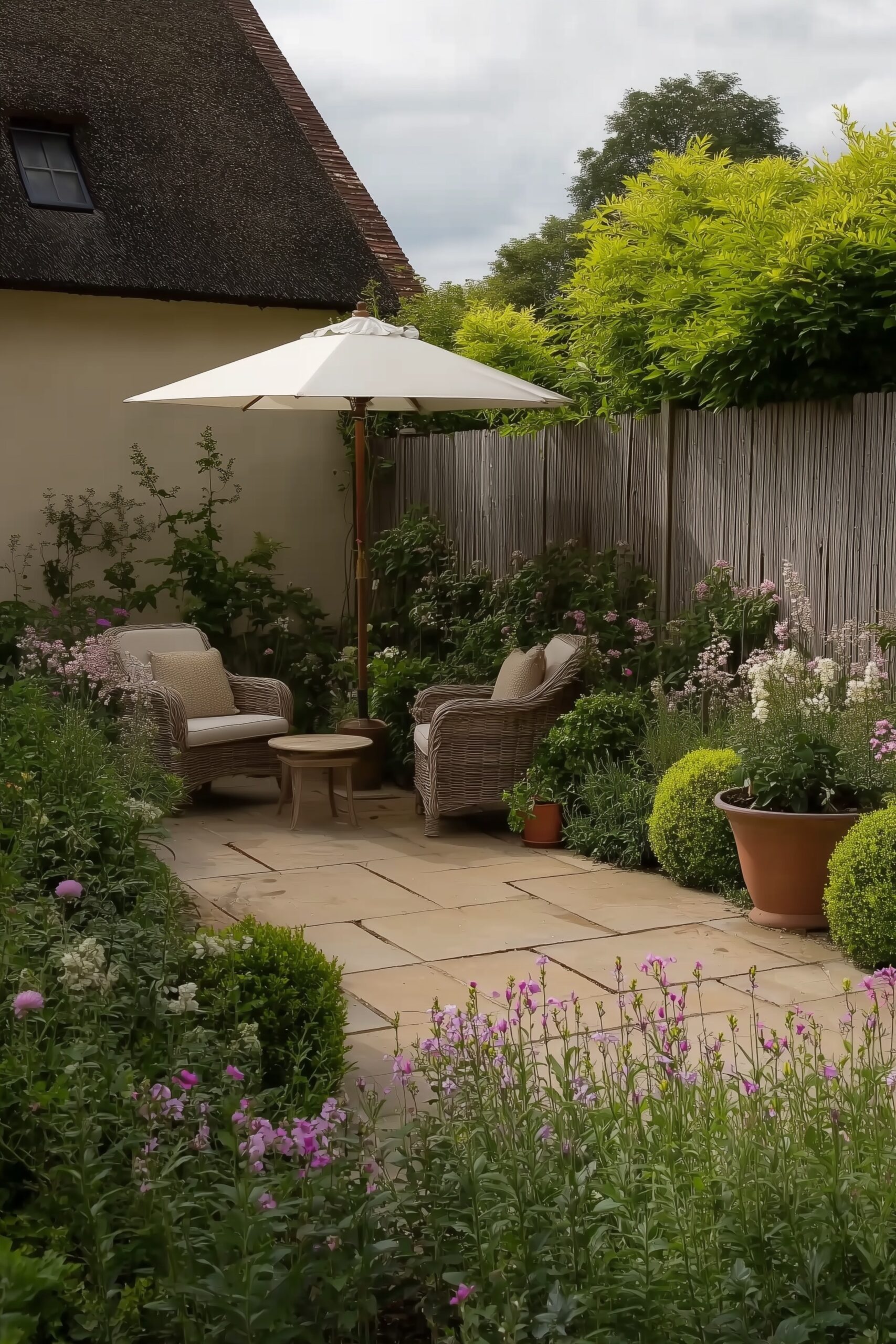
Three key wicker pieces – a loveseat, armchair, and side table – anchor your cottage garden seating area with instant vintage appeal. The natural weave and weathered finish create texture that blends seamlessly with surrounding blooms.
Picture yourself settling into a wicker chair on a Sunday morning, coffee in hand, surrounded by the soft rustle of leaves and the sweet scent of honeysuckle drifting through the air. The furniture doesn’t compete with your plants; it complements them, adding structure without formality.
Choose pieces with slightly faded cushions in floral prints or muted stripes to complete the look.
2. Paint Garden Arches and Benches in Soft Pastel Hues
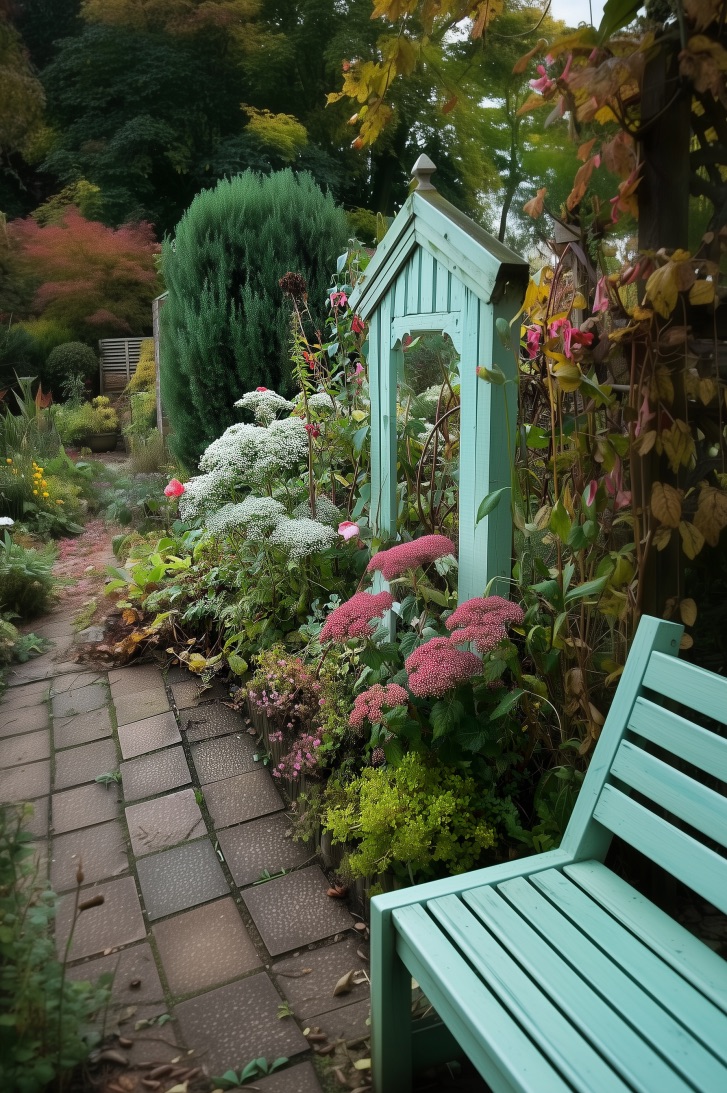
Why settle for basic brown when a whisper of color can transform your garden structures into enchanting focal points? Soft pastels bring personality without overwhelming your plantings.
Historically, cottage gardens emerged from necessity rather than design – country dwellers mixed vegetables, herbs, and flowers in whatever space they had. Today’s cottage style honors that unpretentious heritage while adding deliberate touches of whimsy.
A garden arch painted in duck egg blue or a bench in pale lavender creates gentle contrast against deep greens and provides visual anchors throughout the seasons, even when blooms fade.
**Tip:** Test your paint color on a small section first, as outdoor light can shift hues dramatically from what you see on the swatch indoors.
3. Frame a Garden Pathway with Lush Mixed Borders
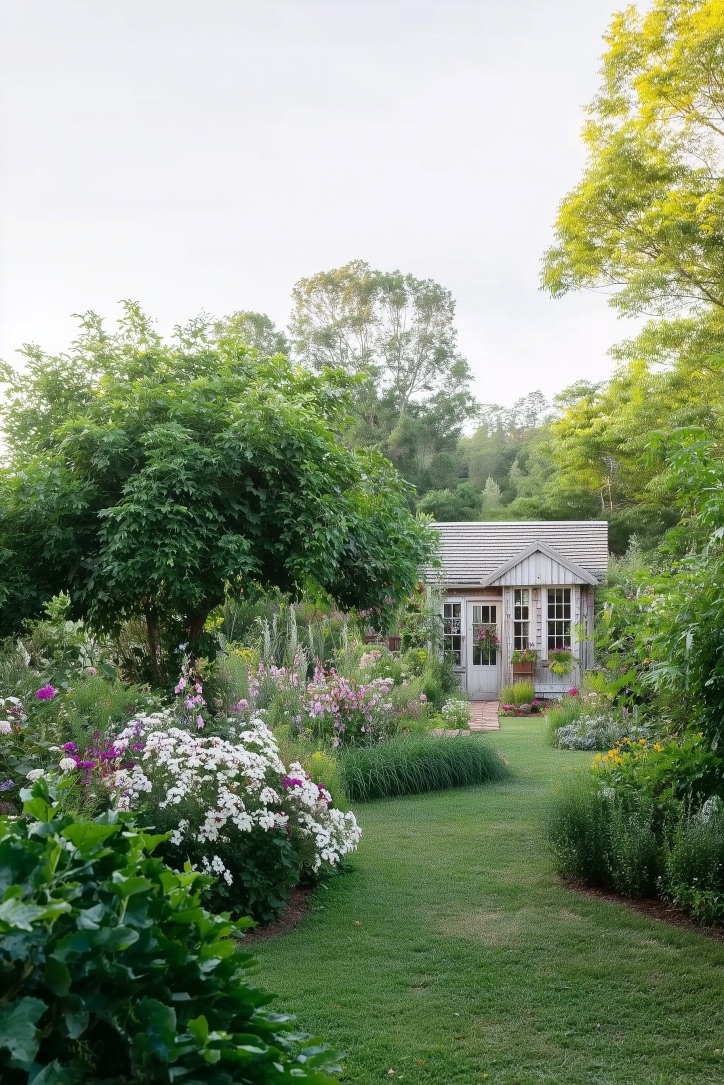
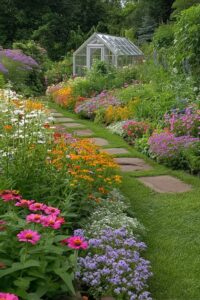
Think of your garden path as a river flowing through banks of colorful wildflowers – the walkway provides direction while the borders supply the magic. Mixed plantings along pathways soften hard edges and create that signature cottage garden abundance.
This layered approach means you’ll enjoy continuous color from spring through fall. Early bulbs give way to summer perennials, which then share space with late-season bloomers. The result? A pathway that feels different each time you walk it, constantly evolving and never quite tame.
Plant in drifts rather than single specimens – groups of three, five, or seven plants create fuller, more natural-looking borders. Combine different heights, from low-growing catmint spilling onto stones to tall hollyhocks reaching skyward, and let self-seeders like foxgloves and poppies pop up where they choose.
4. Install a Classic White Picket Fence for Front Yard Charm
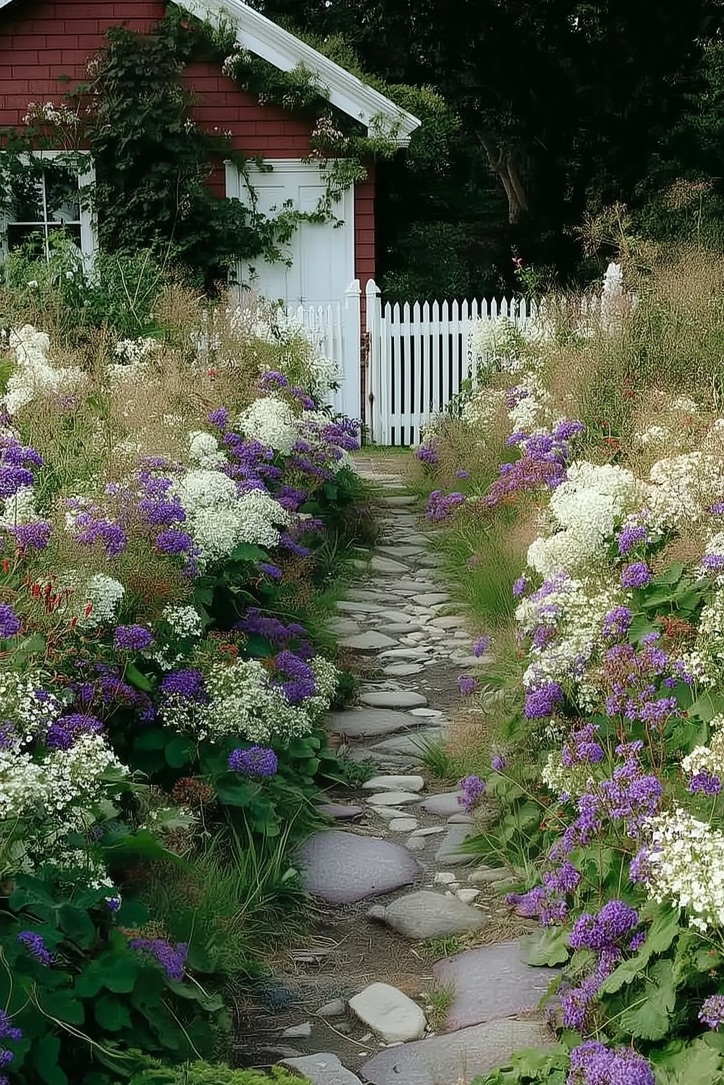
The white picket fence has experienced a remarkable resurgence as homeowners reject minimalist trends in favor of character-rich exteriors. This traditional boundary defines your cottage garden without blocking views or creating harsh divisions.
A low picket fence, typically around three to four feet tall, serves multiple purposes beyond mere aesthetics. It establishes a gentle threshold between public sidewalk and private garden, gives climbing roses and clematis something to scramble over, and provides a crisp white backdrop that makes your flower colors appear more vibrant.
The repeating vertical lines create rhythm and structure – a framework that allows controlled chaos within.
As seasons change, the fence remains constant while your garden transforms around it. Spring bulbs peek through the pickets, summer perennials lean against the rails, and autumn vines weave themselves through every opening.
Does your neighborhood lack historic charm? A freshly painted picket fence instantly adds architectural interest that elevates your entire streetscape while signaling your commitment to maintaining a welcoming, thoughtfully designed front garden.
5. Display Oversized Potted Flowers for Instant Cottage Garden Inspiration
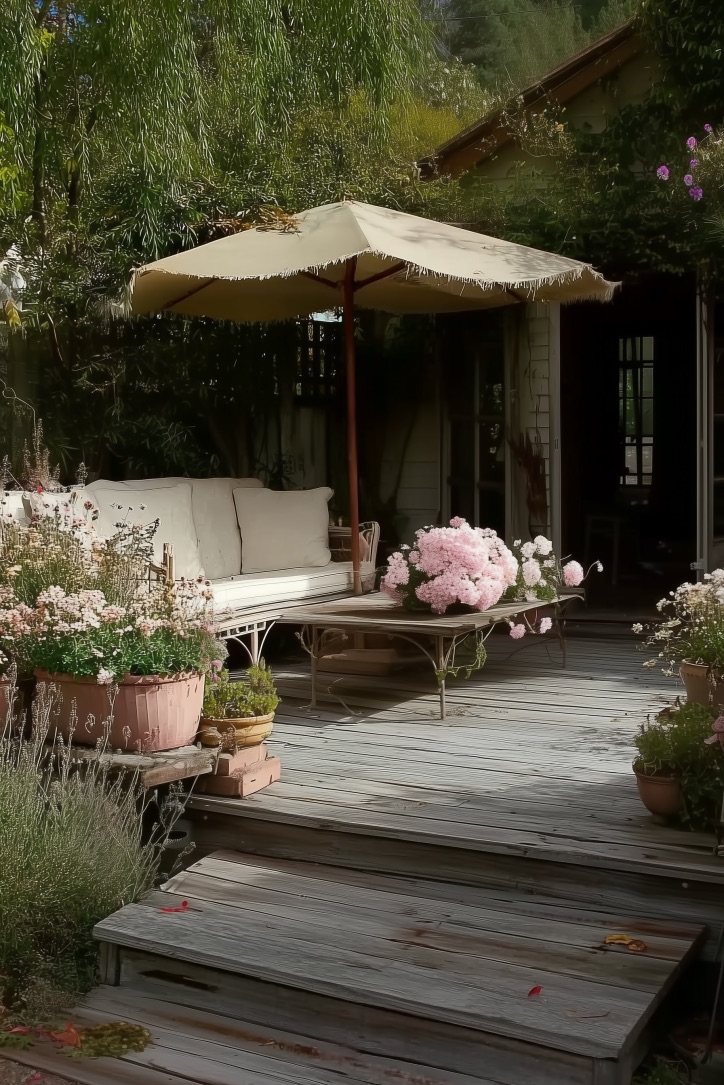
Here’s something delightful: you don’t need flowerbeds to achieve cottage garden style. Large containers filled with billowing blooms deliver immediate impact, especially for renters or those working with challenging soil conditions.
Oversized pots – think 18 inches in diameter or larger – allow root systems to establish properly and reduce watering frequency during hot months. Fill them generously with cottage favorites like geraniums, petunias, and trailing verbena.
The key lies in planting more densely than you would in a formal container, creating that pleasantly overstuffed appearance. Mix heights and textures within each pot, and don’t shy away from letting plants tumble over the rims.
**Start with three large containers flanking your front door or clustered on your patio, and expand from there as you discover which combinations thrive in your specific conditions.**
6. Layer Climbing Vines Over Lattice Panels for Natural Privacy
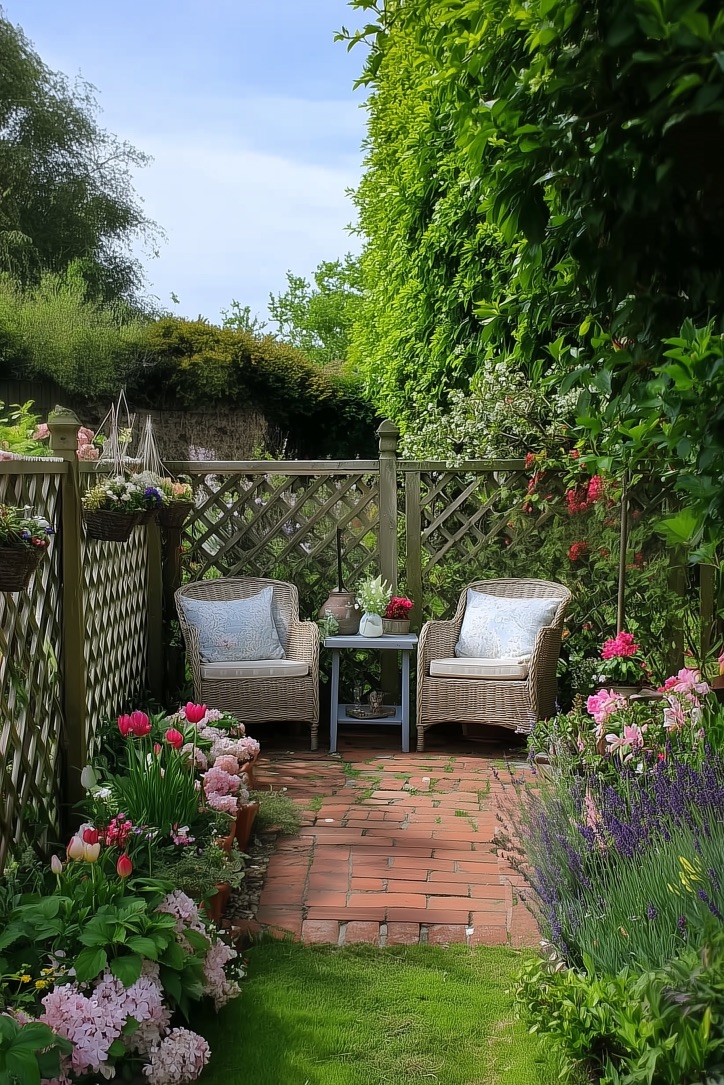
Unlike stark privacy fences that shout “keep out,” lattice panels draped with flowering vines whisper gentle separation while maintaining an open, airy feel. The architectural grid provides instant structure that plants gradually soften and conceal.
Install lattice panels between seating areas and neighboring properties, then train clematis, climbing roses, or sweet peas to weave through the openings. As vines mature, they create living walls that shift with breezes and change with seasons.
Morning glory opens with the sunrise, jasmine perfumes evening air, and even in winter, the interplay of lattice and bare stems maintains visual interest. Choose panels in natural wood tones or paint them to coordinate with other garden structures.
This approach to privacy screening seems poised to gain even more popularity as homeowners seek sustainable alternatives to solid fencing that blocks wind flow and creates harsh microclimates in small gardens.
7. Arrange Terracotta Pots Along Pathways for Rustic Landscaping
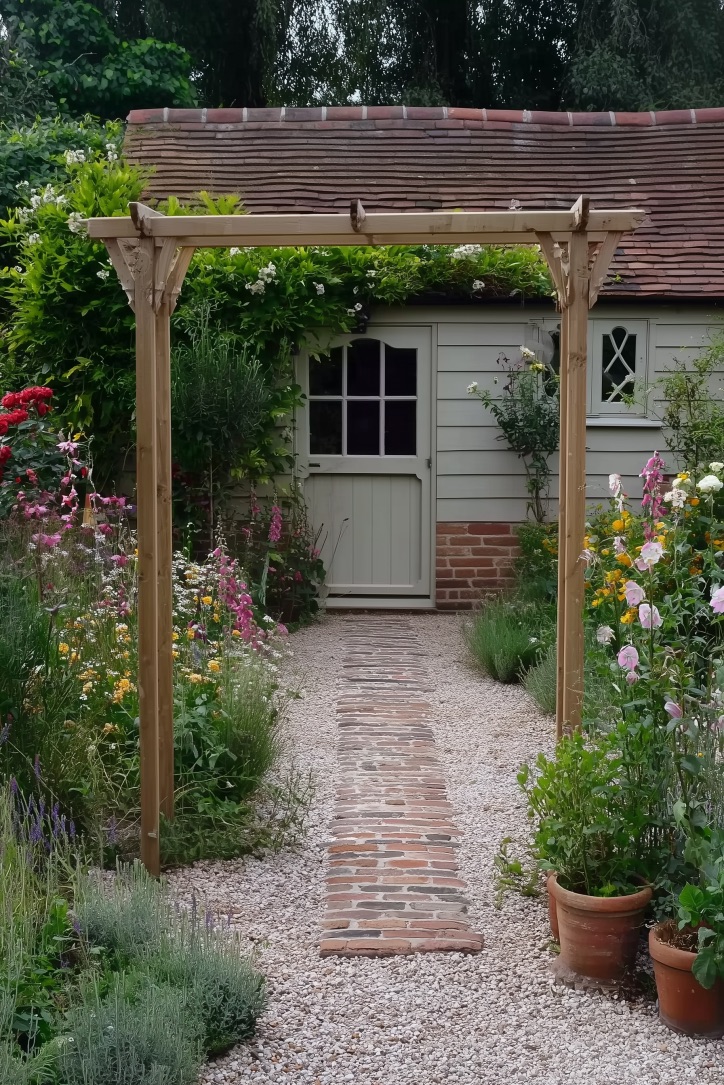
Line your garden paths with terracotta containers in varying sizes for instant rustic charm. The warm, earthy tones complement every plant color while developing attractive patinas as they weather.
Group pots in odd numbers – three small ones here, a single large statement piece there – rather than spacing them evenly like soldiers. Fill some with trailing herbs like thyme or oregano that release fragrance when brushed against. Others might overflow with seasonal annuals or showcase single specimens like dwarf fruit trees.
The repetition of terracotta creates cohesion even when plantings vary wildly.
8. Use Circular Stepping Stones to Enhance Garden Path Layout
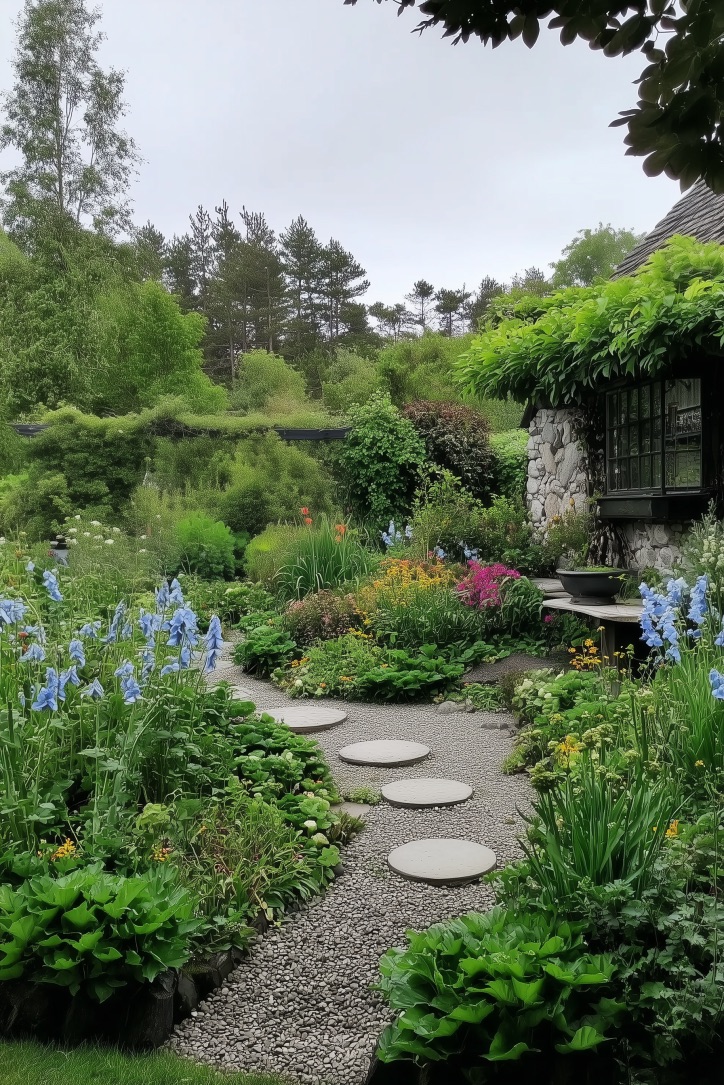
Most gardeners focus exclusively on what they plant, overlooking how visitors actually move through the space. Circular stepping stones create meandering paths that slow your pace and encourage appreciation of surrounding plantings.
Unlike straight concrete walks that march you efficiently from point A to point B, rounded stones set in grass or ground cover invite leisurely wandering. Space them for a comfortable stride – typically 18 to 24 inches apart – but feel free to vary the rhythm.
Some sections might cluster stones closely while others spread them wider, creating natural gathering spots where you pause to admire a particular bloom or breathe in herb-scented air. The irregular pattern works beautifully in cottage gardens where formality takes a backseat to comfort and discovery.
**Circular stepping stones transform your garden from destination to journey, making even small spaces feel more expansive and mysterious.**
9. Place Classic White Chairs for Inviting Patio Retreat
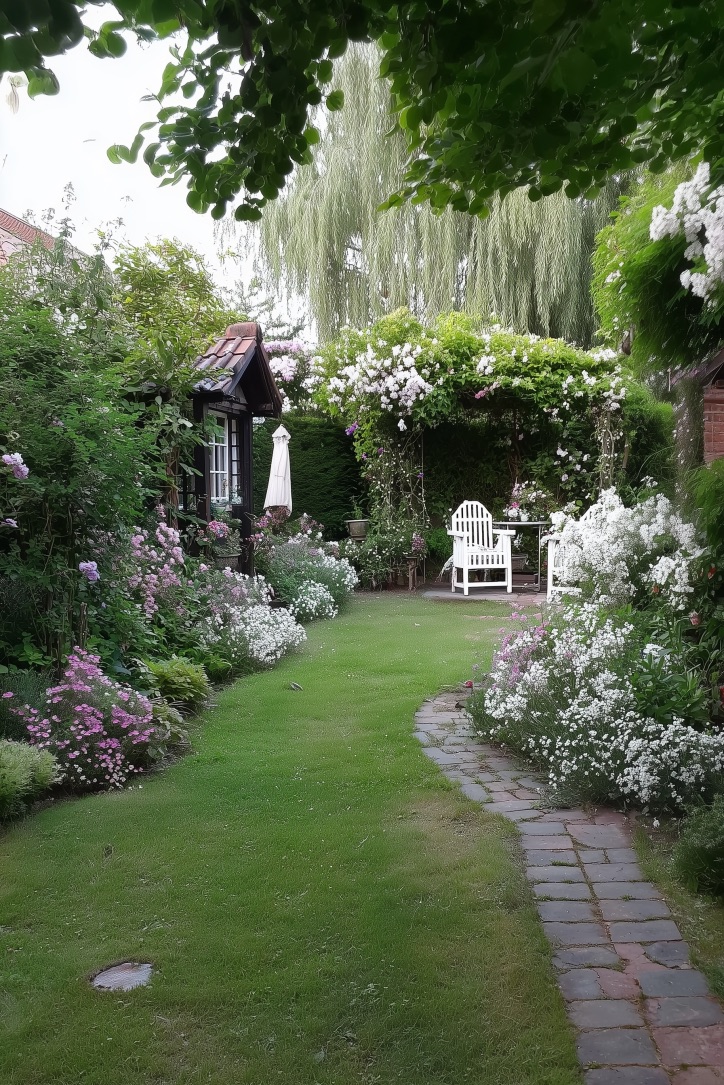
There’s something particularly enchanting about stumbling upon a white chair tucked among flowers, as if someone just stepped away for a moment and might return any second. These painted seats become part of the garden composition itself.
Position chairs not just at tables but also as standalone elements – one beneath an apple tree, another beside a particularly beautiful border, a pair facing each other across a narrow path. You create multiple vantage points for enjoying your garden throughout the day.
Morning sun might draw you to the eastern chair; late afternoon finds you on the opposite side, watching light gild the flower heads.
The white finish keeps things cohesive even when chair styles vary slightly, and weathering only enhances their cottage appeal. As paint gently chips and wood grain shows through, chairs develop the perfectly imperfect patina that distinguishes genuine cottage style from calculated staging.
10. Hang a Central Basket of Flowers for Visual Focal Point
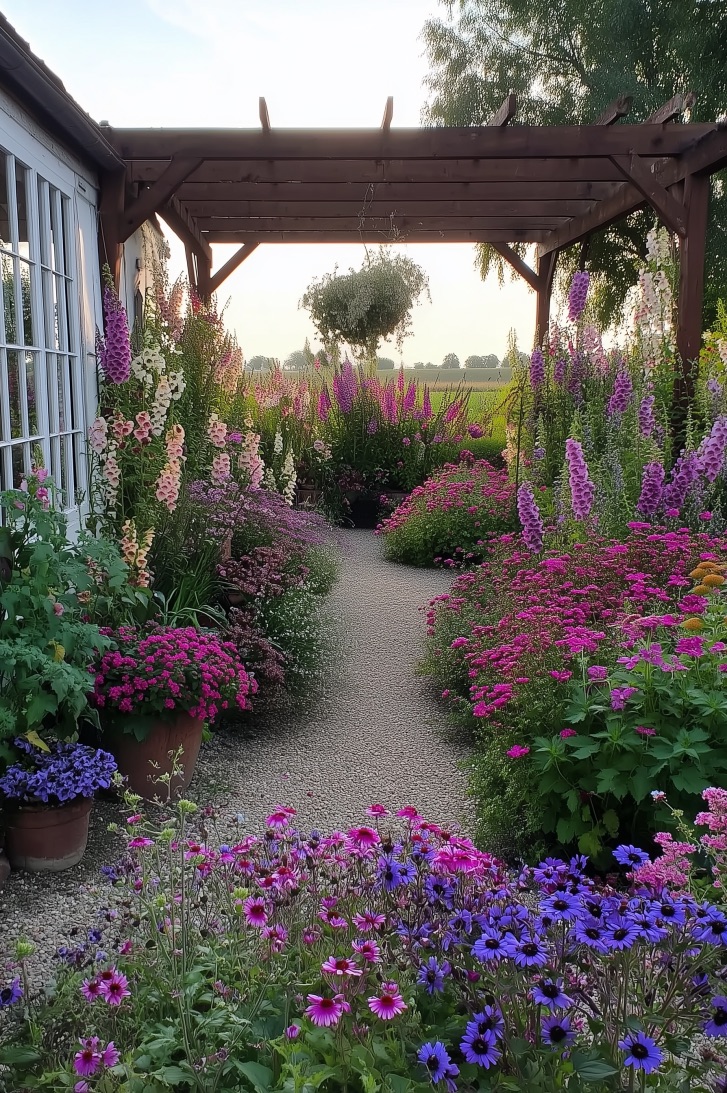
Let’s be honest: hanging baskets often look pitiful by mid-July, gasping for water and looking generally defeated. But a large, well-maintained central basket becomes the crown jewel of your cottage garden when you commit to proper care.
Cottage gardens evolved in England where cool, moist conditions suited dense plantings beautifully. Modern hanging baskets demand more attention in our varied climates, but the visual reward justifies the effort. Choose a substantial basket – at least 14 inches wide – with proper drainage and water-retention liners.
Fill it with a mix of upright bloomers like geraniums or calibrachoa and cascading varieties such as bacopa or lobelia. The combination creates a sphere of color that draws the eye upward and adds vertical interest to your garden composition.
From this elevated position, your basket bridges the gap between ground-level plantings and overhead structures, creating a more complete sensory experience that envelops you in blooms from every direction.
11. Showcase Window Boxes Overflowing with Vibrant Cottage Plants
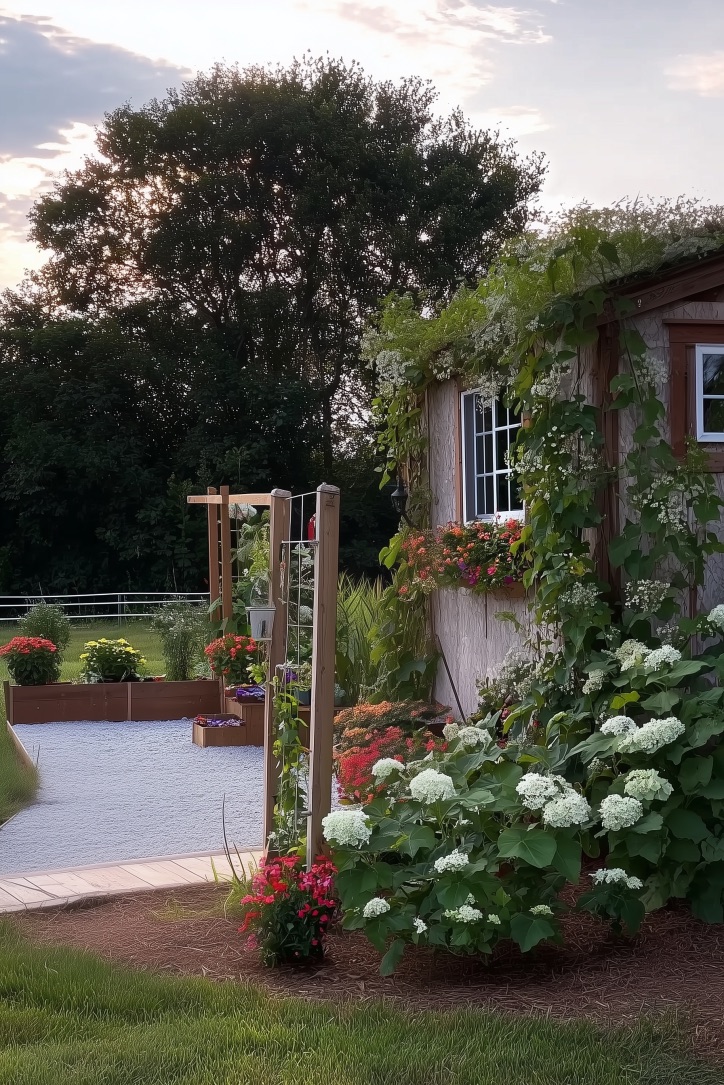
Modern farmhouse style favors restrained container plantings with plenty of breathing room between plants. Cottage garden window boxes take the opposite approach, cramming in so many flowers that soil barely shows.
This generous planting strategy delivers maximum color impact while creating that signature cottage garden abundance. Your window boxes connect house and garden, extending plantings right up to your walls and softening architectural lines.
Choose containers proportional to your windows – generally, boxes should span at least half the window width – and fill them with combinations that echo your garden palette.
12. Highlight a Flower Dripping Arbor As English Garden Inspiration
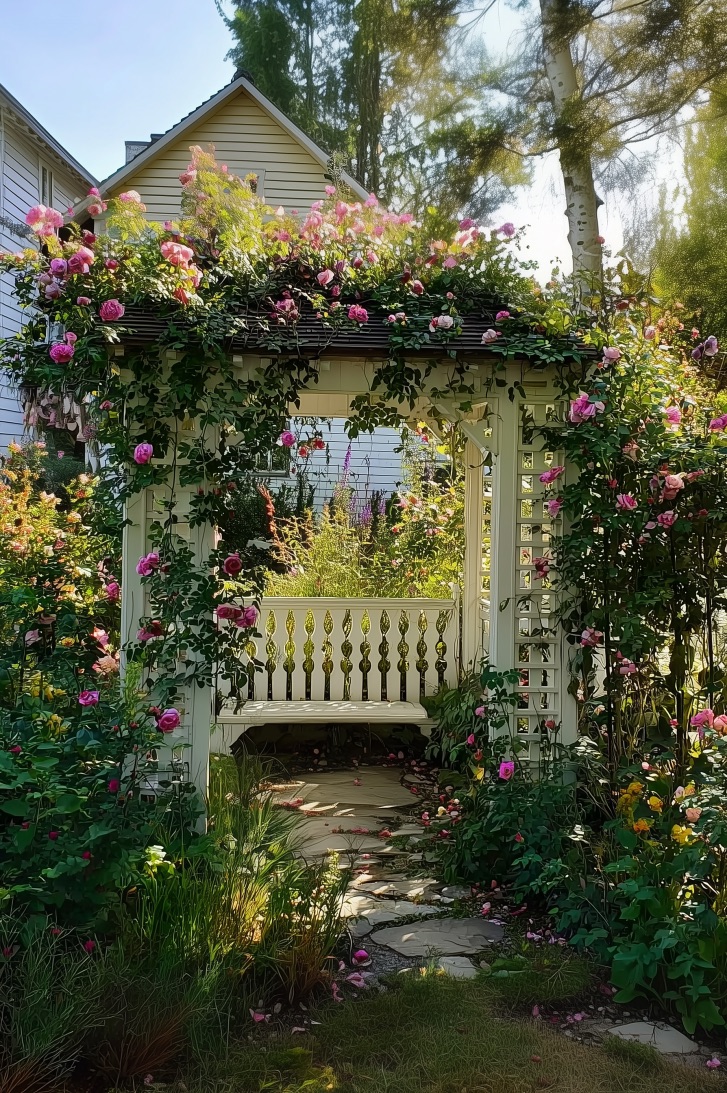
If you could wave a magic wand and install just one cottage garden feature, make it a flower-laden arbor. This single structure delivers outsized romantic impact.
Traditional English cottage gardens often featured arbors at key transition points – marking the entrance to a vegetable plot, framing views of distant landscapes, or creating shaded passages between garden rooms. You can achieve similar effects by positioning an arbor where pathways intersect or at your garden’s entrance.
Plant climbing roses on one side and clematis on the other, training them to intermingle overhead. As they mature, you’ll walk beneath a fragrant canopy that transforms a simple passage into a memorable garden moment.
13. Position a Cozy Garden Shed for Functional Backyard Design
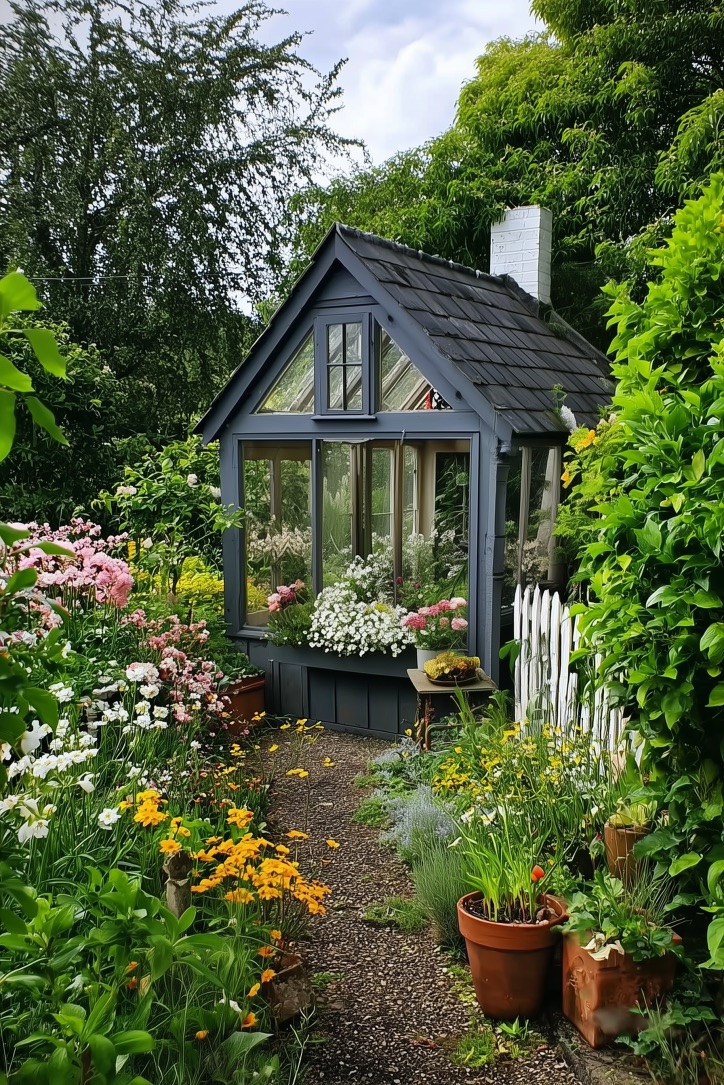
Remember those oversized pots and window boxes we discussed earlier? They’ll need soil, tools, and somewhere to store empty containers during off-season. A charming garden shed solves practical problems while serving as a major architectural anchor.
The cottage garden shed differs dramatically from utilitarian storage buildings. Yours should feel like a miniature cottage itself – perhaps with window boxes matching those on your house, a painted door in a cheerful color, and climbing vines working their way up the siding.
The structure provides vertical interest and backdrop for layered plantings. Position it at your garden’s rear or side, allowing pathways to lead visitors on a journey toward this destination point.
Beyond storage, your shed can house a potting bench, accommodate garden parties when weather threatens, or simply provide a retreat where you escape with a book and cold drink. Paint it in a color that complements your house but with slightly more personality – a soft sage, buttery yellow, or classic barn red all work beautifully.
**Tip:** Install window boxes and attach trellises to shed walls before positioning it in place, as access becomes limited once the structure settles into your garden.
14. Contrast Foliage Colors for Striking Seasonal Aesthetic
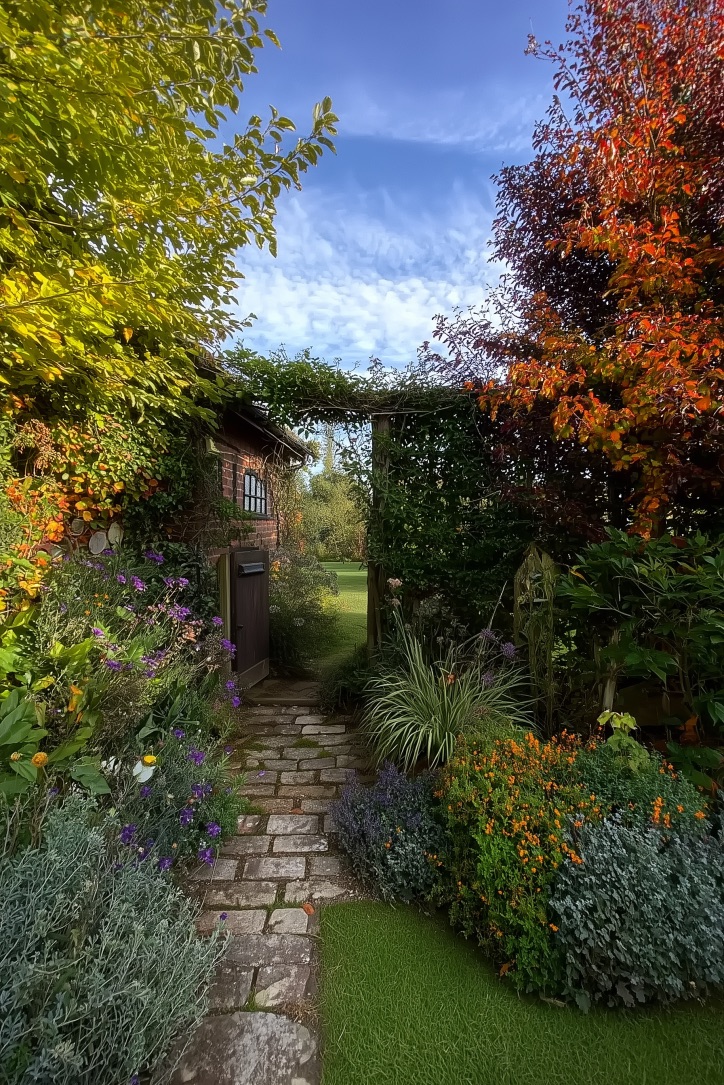
You might spend hours agonizing over flower colors, but foliage selections create the lasting structure that carries your cottage garden through all seasons. Contrasting leaf colors add depth and drama that blooms alone cannot achieve.
Look beyond basic green to silver-leaved artemisia, purple-toned heuchera, chartreuse hostas, and burgundy-leafed coral bells. When you place these contrasting foliage colors adjacent to each other, they make neighboring plants appear more vibrant. A silvery lamb’s ear next to deep purple salvia intensifies both colors.
Golden feverfew brightens the blue-green of rue planted beside it. This interplay continues even when flowers fade, maintaining visual interest from early spring through hard frost.
Layer foliage heights and textures as well – spiky iris leaves pierce through mounded lady’s mantle, while ferny yarrow foliage contrasts with bold hosta leaves. The resulting tapestry rewards close inspection while reading as cohesive abundance from a distance.
**Warning:** Some silver-leaved plants demand excellent drainage and may sulk in heavy clay or poorly draining soils, so amend planting areas generously with compost and grit before installation.
Conclusion
Your cottage garden journey begins with a single element – perhaps a pot of tumbling petunias or a freshly painted bench nestled among existing plants. Don’t wait for perfect conditions or complete plans. Start layering colors, textures, and charming details now, allowing your garden to evolve naturally over seasons.
The beauty of cottage style lies in its forgiving, ever-changing nature, so embrace the process and watch your outdoor space transform into the romantic retreat you’ve envisioned.