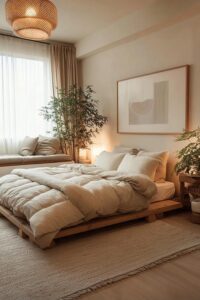

How do you carve out space for both work and welcome when your square footage says “choose one”? The truth is, you don’t have to sacrifice hospitality for productivity – or the other way around.
With thoughtful planning, a single room can shift from professional workspace to inviting guest retreat. The secret lies in furniture that works twice as hard and design choices that blur the boundaries between function and comfort.
1. Incorporate a Daybed for a Seamless Small Space Solution

If you’re working with limited square footage, a daybed becomes your secret weapon. It lounges like a sofa during your workday, offering a spot to review papers or take phone calls, then transforms into a full sleeping surface when company arrives.
This dual-purpose piece eliminates the bulk of a traditional bed frame while keeping your office looking polished and uncluttered.
2. Frame the Workspace with Built-in Shelving for Smart Decor
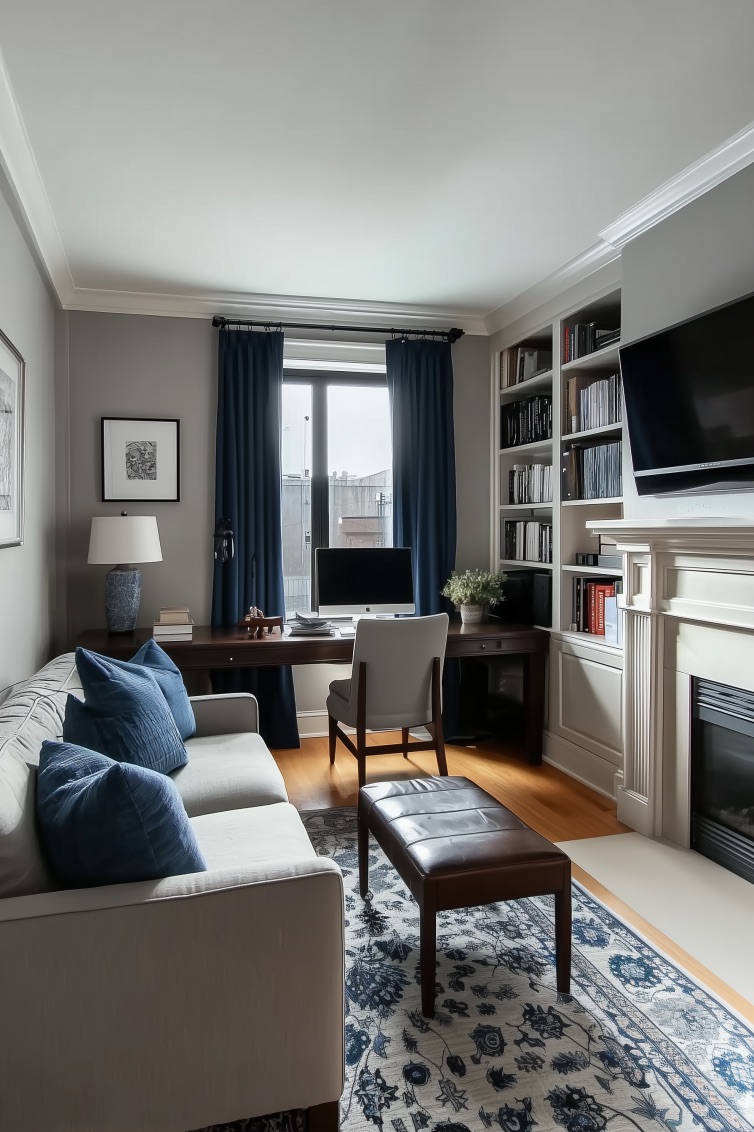
Building on the idea of dual-purpose design, built-in shelving around your desk creates structure without eating into your floor plan. Custom millwork – or even well-planned bookcases flanking a work surface – gives you vertical storage that climbs toward the ceiling rather than crowding the room’s footprint.
You can tuck office essentials on upper shelves while displaying books, framed photos, and decorative objects on lower tiers. This layered approach keeps work materials within arm’s reach yet visually balanced with personal touches.
The shelving also acts as an anchor, defining the work zone so clearly that guests instinctively understand where the office ends and the relaxation space begins.
3. Illuminate the Room with Sheer Drapes for a Soft Apartment Glow

Natural light streams differently through sheer fabric than through heavy drapes – it diffuses, softens, and spreads evenly across walls.
When you hang floor-to-ceiling sheers in a combo room, you filter harsh midday glare that would otherwise bounce off your computer screen, while still bathing the space in a gentle luminosity that feels open and breathable.
This filtered light creates a backdrop that works equally well for focused morning emails and relaxed evening conversations with overnight guests. The airiness prevents the room from feeling cramped or overly task-oriented.
As a result, your space reads as versatile rather than cluttered, and the mood shifts gracefully from productive to restorative depending on the hour.
4. Highlight Moody Accents with Deep Green Cabinetry

While most home offices lean toward whites and neutrals, deep forest or emerald cabinetry brings a richness that standard palettes can’t match. This bold choice wraps your workspace in a cocoon of color that feels both grounding and sophisticated – a departure from the sterile office aesthetic that can make a room feel one-dimensional.
Historically, dark greens appeared in libraries and studies where concentration mattered, so you’re tapping into a tradition that links color with thoughtful work. The hue also pairs beautifully with brass hardware, natural wood tones, and crisp white walls.
One tip: balance the depth with lighter elements – cream upholstery, pale wood flooring, or soft gray textiles – so the room doesn’t feel cave-like when guests settle in for the night.
5. Define Zones Using an Area Rug for Functional Layout
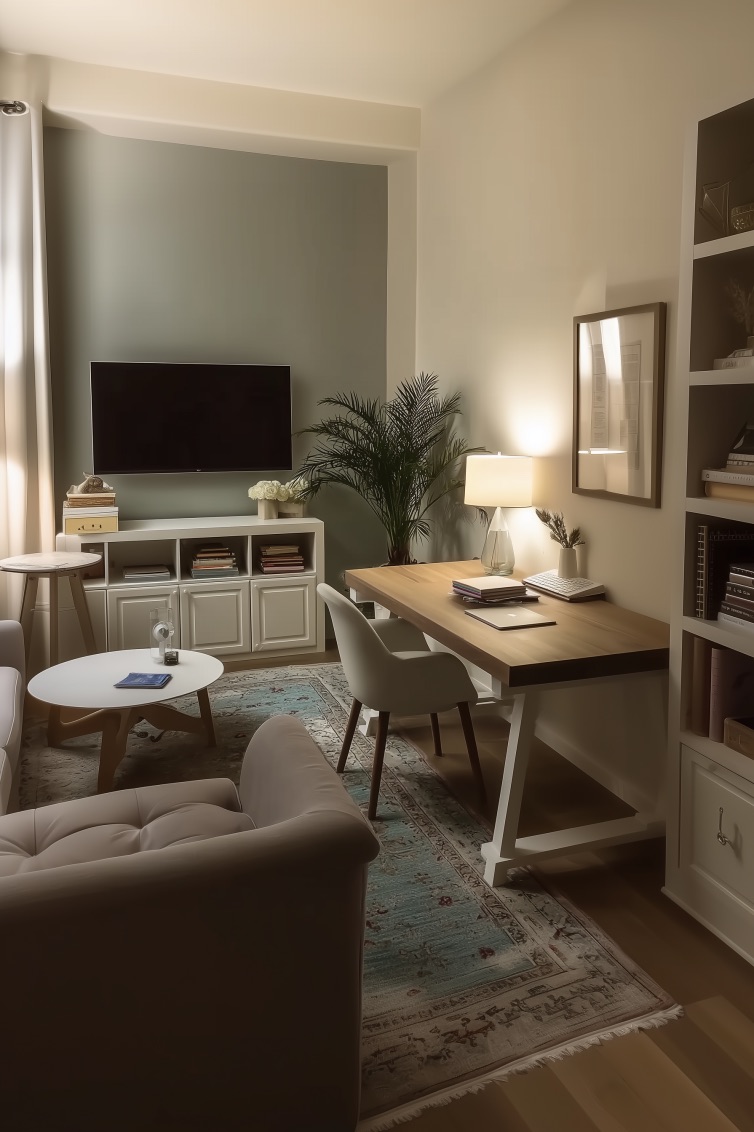
Designers have long known that rugs do more than muffle footsteps – they act as invisible walls that carve a single room into distinct territories. When you center a rug under your desk and chair, you create a boundary that signals “this is where work happens,” even without physical partitions.
The rug grounds the office furniture and visually separates it from the sleeping or lounging area, which might have its own textile treatment or rest directly on hardwood. This zoning helps your brain switch modes: stepping onto the rug means you’re clocking in, stepping off means you’re done.
One warning, though – avoid rugs that are too small. A tiny mat under a desk looks like an afterthought and fails to anchor the zone convincingly. Go larger than you think you need.
6. Layer Throw Pillows on the Sofa for Cozy Guest Room Decor

First, pillows in varied sizes add dimension. Second, mixing textures – velvet, linen, knit – introduces tactile interest. Third, coordinating colors tie the room’s palette together without demanding a full reupholster.
For example, you might start with two larger pillows in a neutral linen, add a pair of smaller velvet cushions in a muted terracotta, then finish with a single lumbar pillow in a subtle geometric print. The combination invites guests to sink in and relax, signaling that this isn’t just a workspace with a sofa shoved in the corner.
Looking ahead, the trend is moving toward earthy, layered looks with hand-dyed fabrics and organic shapes – so don’t be afraid to let your pillow collection evolve as your style shifts.
7. Style the Desk Area with a Brass Lamp for Elegant Lighting
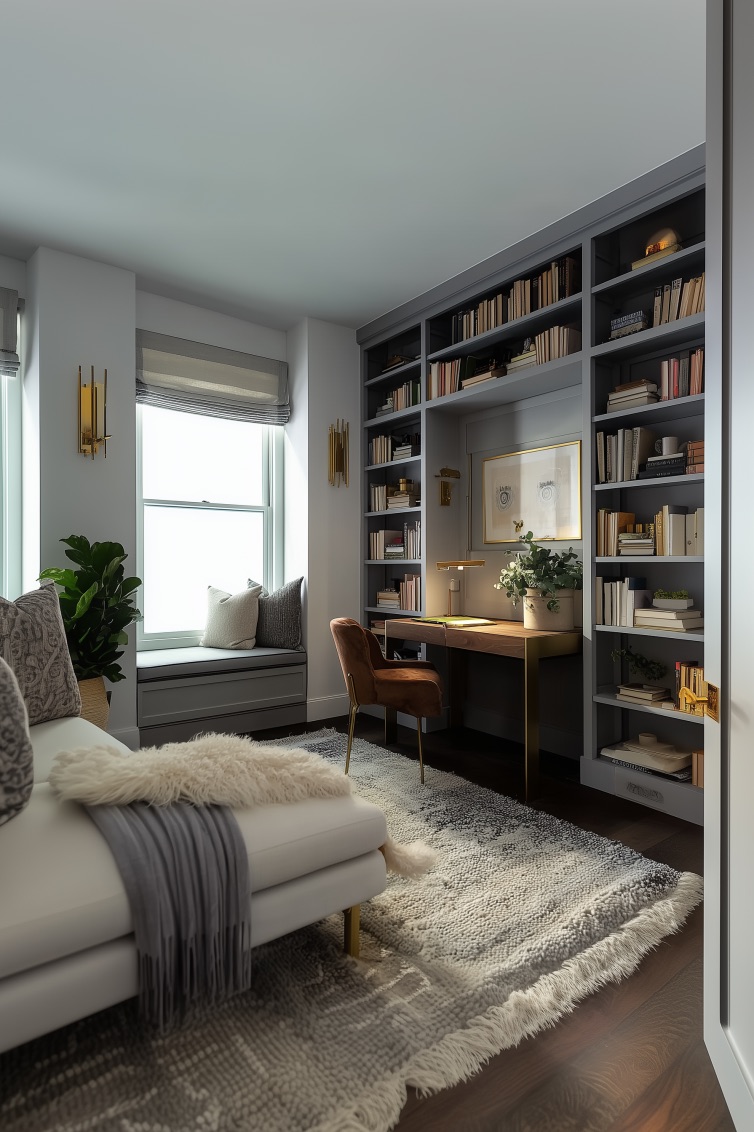
What transforms a desk from utilitarian surface to design moment? Often, it’s the lamp.
A brass task light – whether it’s a sleek modern arc or a vintage-inspired banker’s lamp – casts a warm pool of light that makes late-night work feel less like drudgery and more like a scene from a stylish film.
The metal’s glow catches the eye and reflects ambient light around the room, adding a layer of visual warmth that overhead fixtures rarely achieve.
Do you need the overhead lights on at all once you’ve dialed in the right desk lamp? Sometimes the answer is no, and that softer, more intentional lighting makes the whole room feel intimate and guest-ready.
8. Showcase a Low Profile Coffee Table for Maximized Tiny Space

Forget towering centerpieces that block sightlines and crowd circulation. A low-slung coffee table – the kind that hovers just above the floor – opens up the visual field and makes even a compact room feel breathable.
When guests arrive, they can set down a mug or book without the table dominating the conversation, and when you’re working, it doesn’t compete with your desk for attention.
These tables work especially well in rooms with low ceilings or smaller windows, where every inch of perceived height counts. Materials matter here: glass or light wood keeps things airy, while a chunky marble slab still feels grounded without appearing heavy.
In short, go low to make your space feel larger.
9. Arrange Art Prints Above the Daybed for a Curated Look
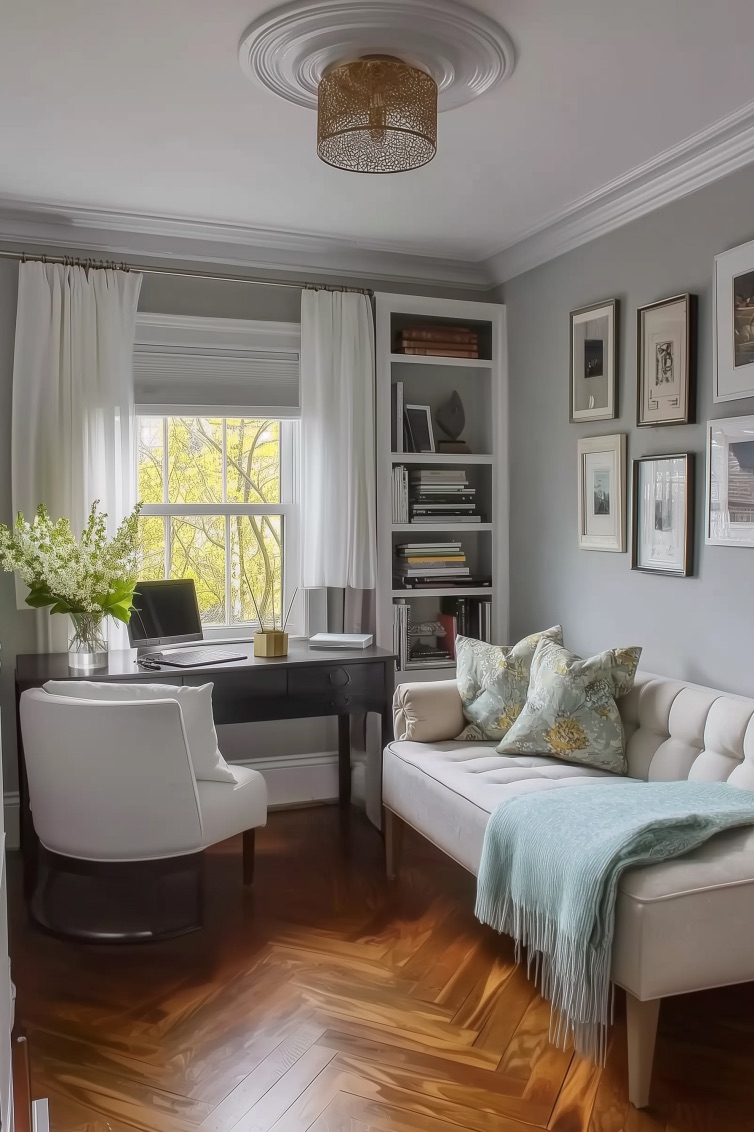
You walk into a room, and your eye travels upward – this is where art comes in. Hanging a series of prints or a single statement piece above the daybed gives your guest-office hybrid a focal point that has nothing to do with paperwork or productivity.
A gallery wall in matching frames lends structure, while an asymmetric salon hang feels more collected-over-time and personal. Either way, you’re signaling that this space has layers – it’s not just functional, it’s considered.
Start by choosing art that complements your color scheme, then play with scale and matting until the composition feels balanced. You’ll be amazed how much personality a well-placed print (or three) can inject into a room.
10. Anchor the Room with a Textured Gray Rug for Apartment Depth
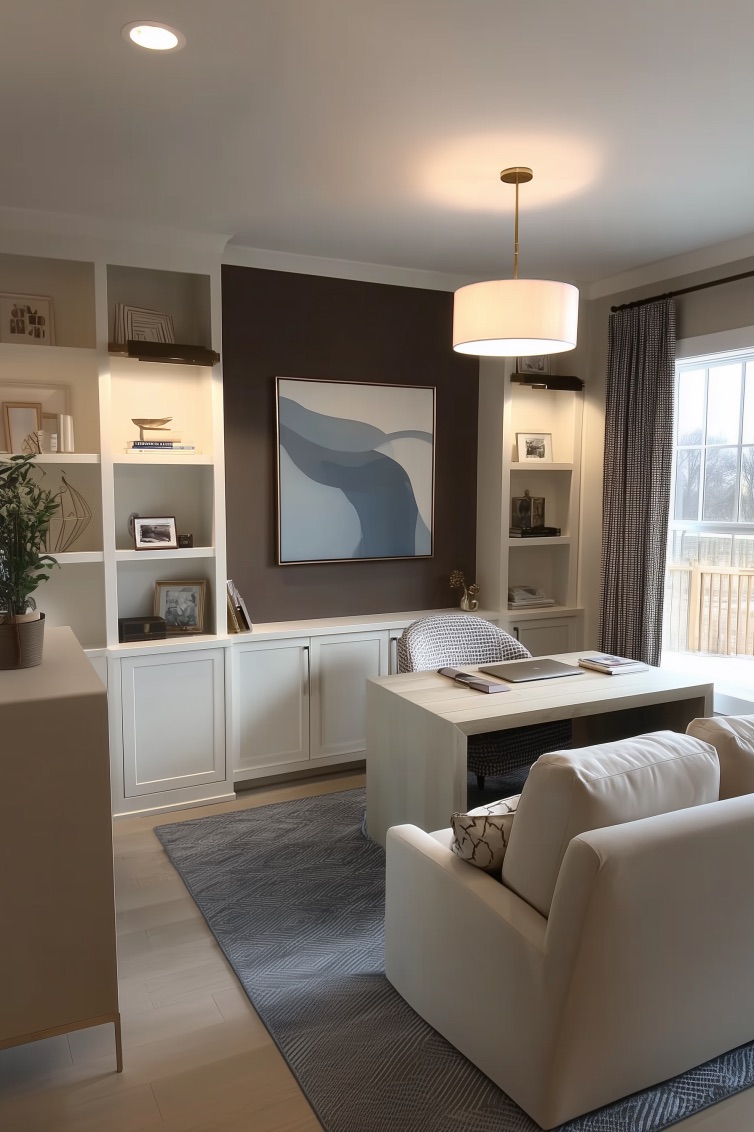
Think of a rug as the foundation of a house – it’s what everything else stands on, both literally and visually. A textured gray rug, whether it’s a hand-knotted wool or a chunky jute weave, brings depth that solid-color carpet can’t match, catching shadows and shifting subtly as light moves through the day.
Gray works in nearly any palette, bridging cool blues and warm taupes without clashing, and the texture adds a tactile richness that makes the room feel finished. In apartments where you can’t change flooring, a substantial rug also dampens sound and adds a layer of comfort underfoot.
Roll one out, arrange your furniture on top, and watch the room come together – it’s that simple, and that transformative.
11. Opt for a Marble Desk Surface to Elevate Work Area Decor
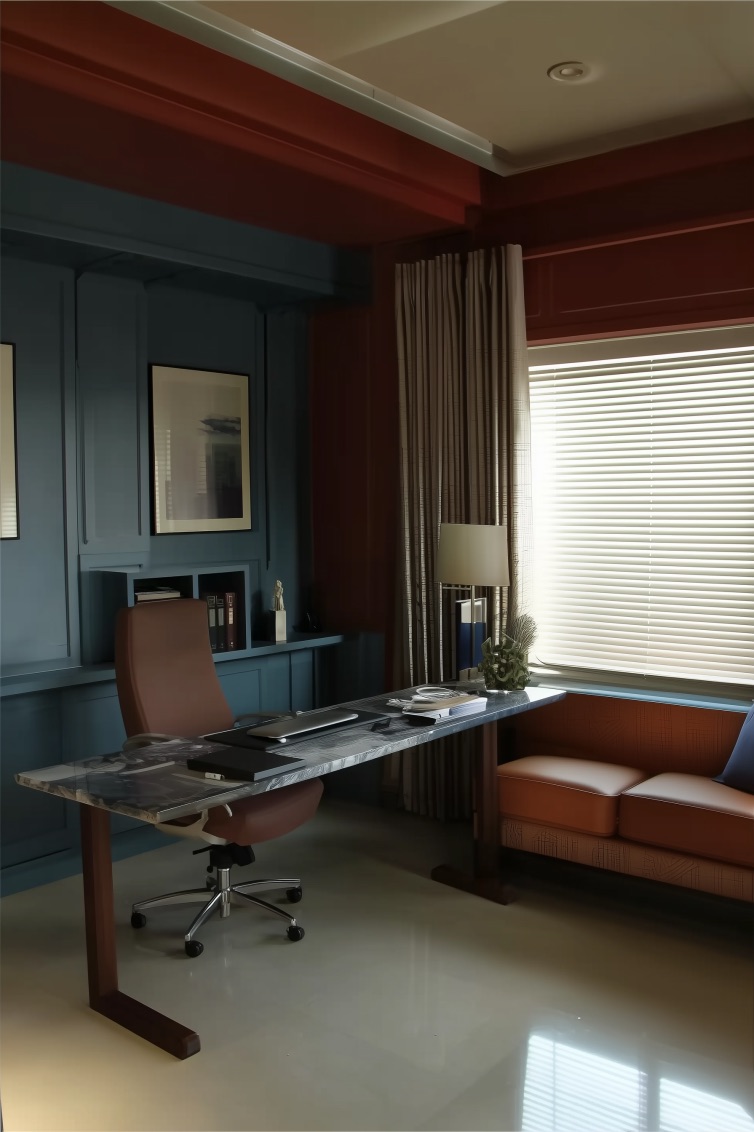
People often overlook the desk surface itself, focusing instead on the chair, the lamp, or the storage. But a marble desktop – real stone or a convincing laminate – brings an instant upgrade that signals intention and care.
Imagine a simple trestle base topped with a slab of white Carrara or soft gray marble: it’s cool to the touch, easy to wipe clean, and visually striking without being loud. You can pair it with minimal accessories – a single plant, a brass pen holder – and the material does the heavy lifting.
Marble turns your work area into a statement, proving that function and beauty can share the same square footage.
12. Select a Curved Sofa for Effortless Tiny Room Flow
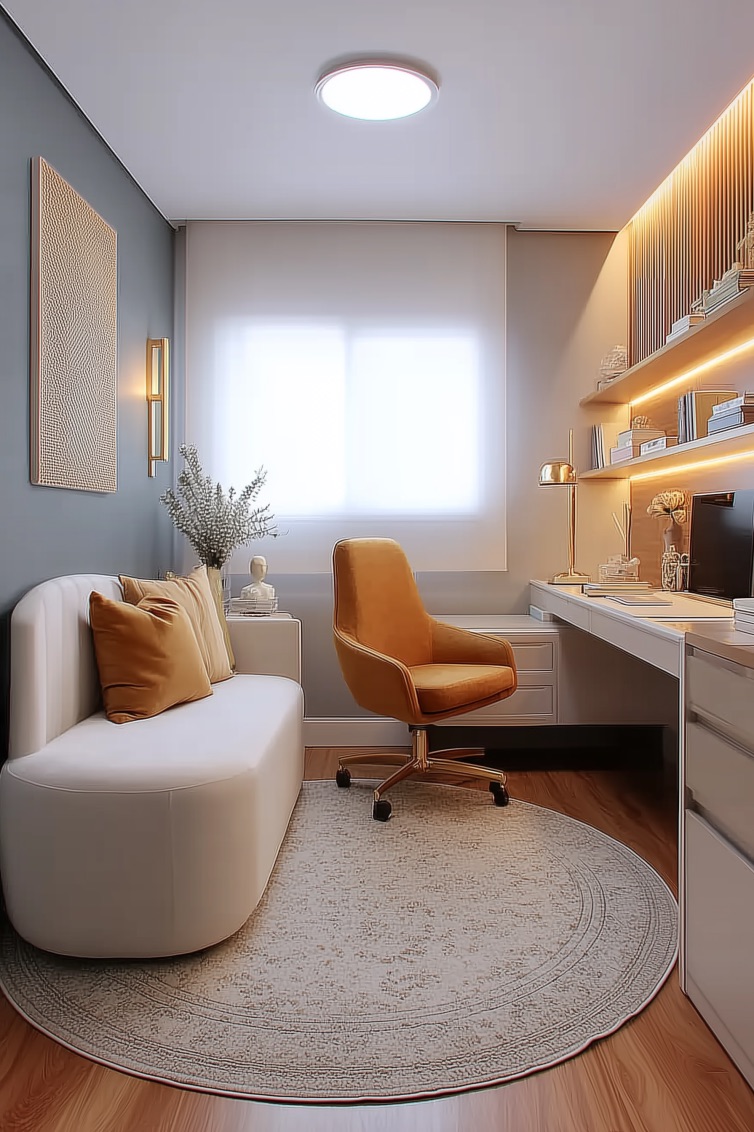
Sharp corners and rigid lines can make a small room feel even more boxed in. A curved sofa, on the other hand, softens the geometry and encourages movement, guiding the eye (and foot traffic) in a gentle arc rather than a hard stop.
This shape fits snugly into corners or floats in the center of the room, creating conversational seating that doesn’t feel like an afterthought. When guests arrive, the curve invites them to settle in, and when you’re working solo, it’s a sculptural backdrop that keeps the room feeling dynamic.
13. Accent Windows with Floor-Length Blue Drapes for Airy Apartment Style

Right now, blue is having a moment – not the electric cobalt of a few years back, but softer, more nuanced shades like powder, slate, and denim. Floor-length drapes in any of these tones draw the eye upward and make ceilings feel taller, while the color itself introduces calm without tipping into coldness.
The fabric pools slightly on the floor or just skims it, creating a tailored look that feels both polished and relaxed. Light filters through during the day, casting a gentle azure tint across walls and furniture.
One warning: if your room gets limited natural light, avoid heavy or overly saturated blues – they can make the space feel dim. Stick to lighter, airier versions that still let the room breathe.
14. Position a Tall Plant by the Desk for Fresh Apartment Vibes
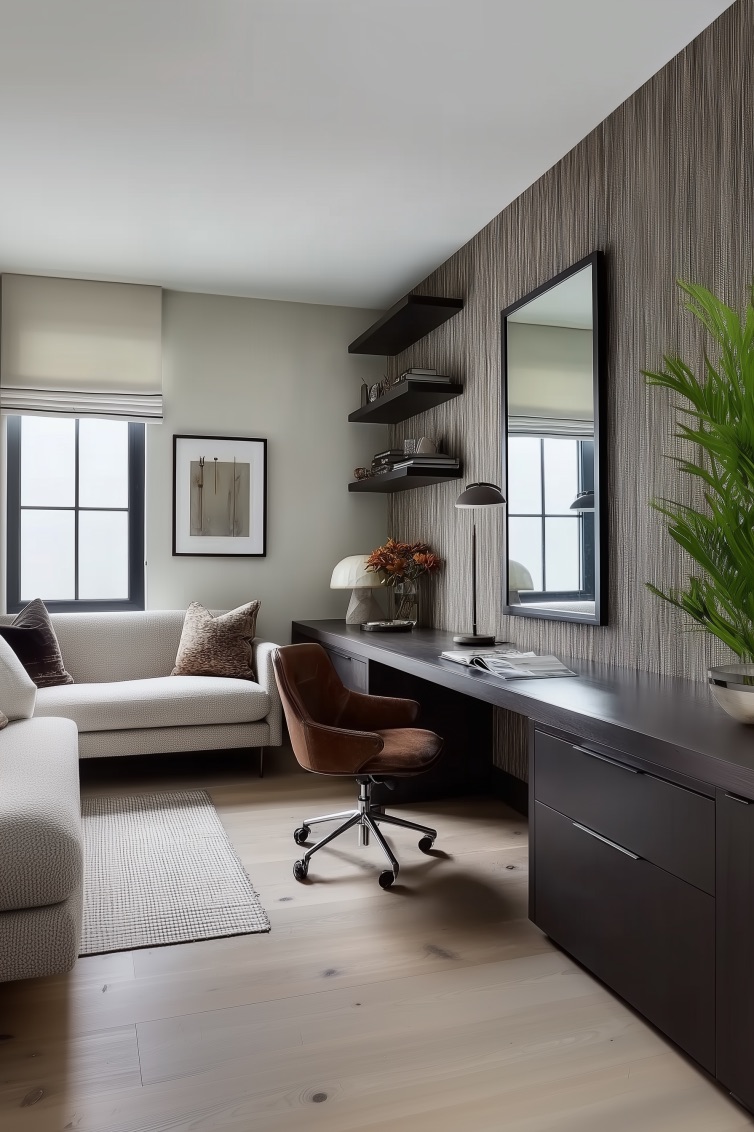
While most office accessories sit on surfaces, a tall plant commands floor space and reaches upward, filling the vertical zone that often goes neglected. A fiddle-leaf fig, a bird of paradise, or even a hearty rubber plant brings life and movement into a room that could otherwise feel static and overly designed.
Greenery softens hard edges – think metal desk legs, sharp-cornered shelving – and improves air quality in a subtle but measurable way. It also gives you something living to tend, which can be a welcome break from screen time.
Beyond aesthetics, a plant marks a transition: when you’re watering it or adjusting its position, you’re shifting out of work mode and into the rhythm of home.
15. Bring Warmth to the Office with a Blush Area Rug
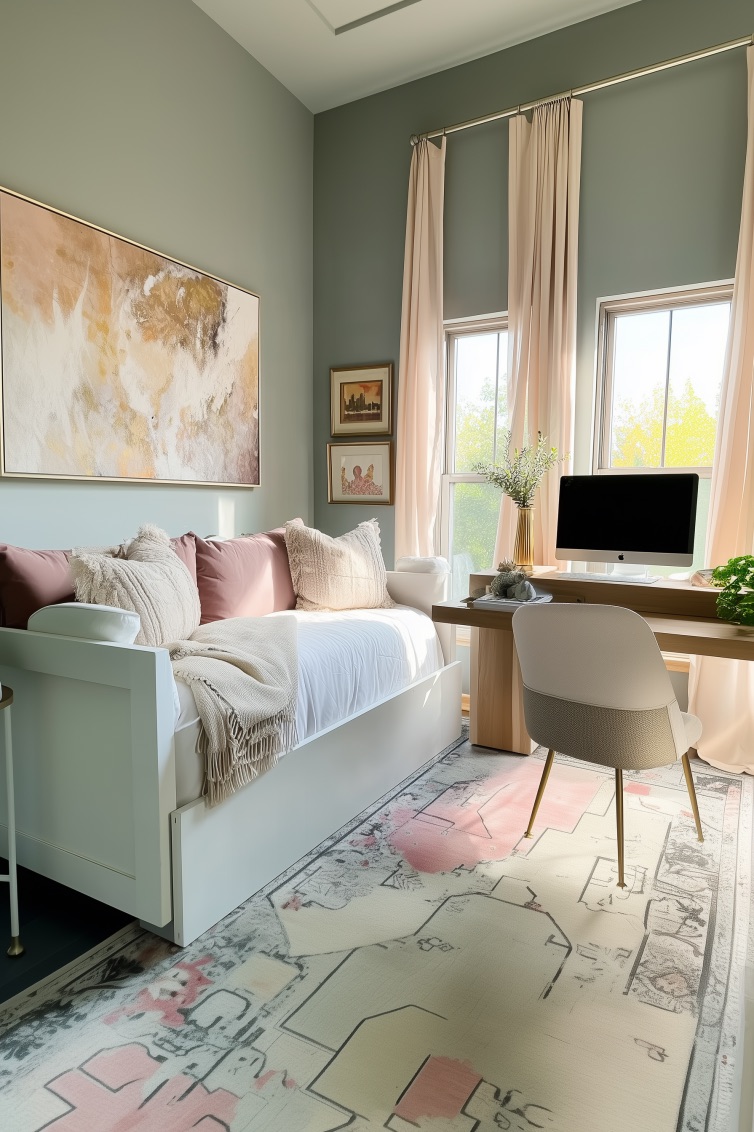
Blush isn’t just for bedrooms anymore. A muted rose or dusty pink rug introduces warmth without reading as overtly feminine, especially when paired with grays, charcoals, or warm woods. This shade reflects light beautifully, bouncing a soft glow upward that makes the room feel sunnier even on overcast days.
A blush rug works particularly well in offices that skew minimal or industrial, where the warmth offsets concrete floors, metal shelving, or stark white walls. It signals that this is a space for both productivity and rest, a room that doesn’t take itself too seriously.
Looking forward, expect to see more of these warm neutrals as designers move away from the all-gray palettes that dominated the last decade.
Conclusion
You’ve seen how a single room can serve two roles without compromise – now it’s time to put these ideas into action. Start with one change, whether it’s a daybed, a statement rug, or a well-placed plant, and build from there. Your guest room office combo is waiting to become the most versatile, welcoming space in your home.